
Things We Keep Alive
At the Gillette Sheepherding Festival, sheepherding history survives through hands that build, bodies that dance, and neighbors who still show up.
Nobody Left When the Rain Came
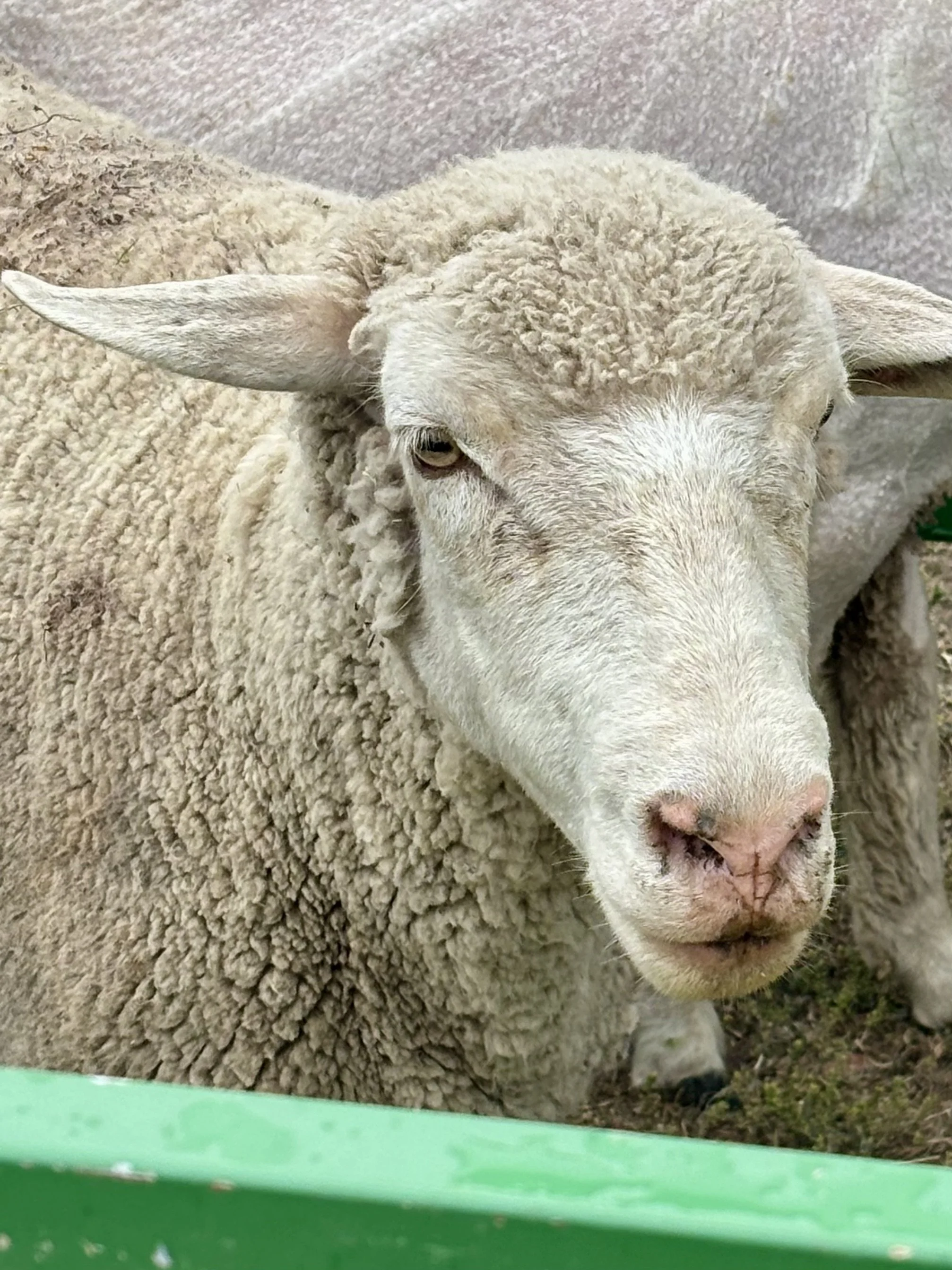
It rained through the afternoon, and nobody left. Wool on live sheep and wool in the vendor tents. Mud working up under the wagon wheels. Coal smoke drifting off the forge. Under the large tent a pipe band cuts through the wet air. Earlier a herd of sheep came down Echeta Road behind a Border collie, three miles in from open ground, streets closed for the crossing. Somewhere behind all of it, a circle of Basque dancers kept a beat that's older than the town.
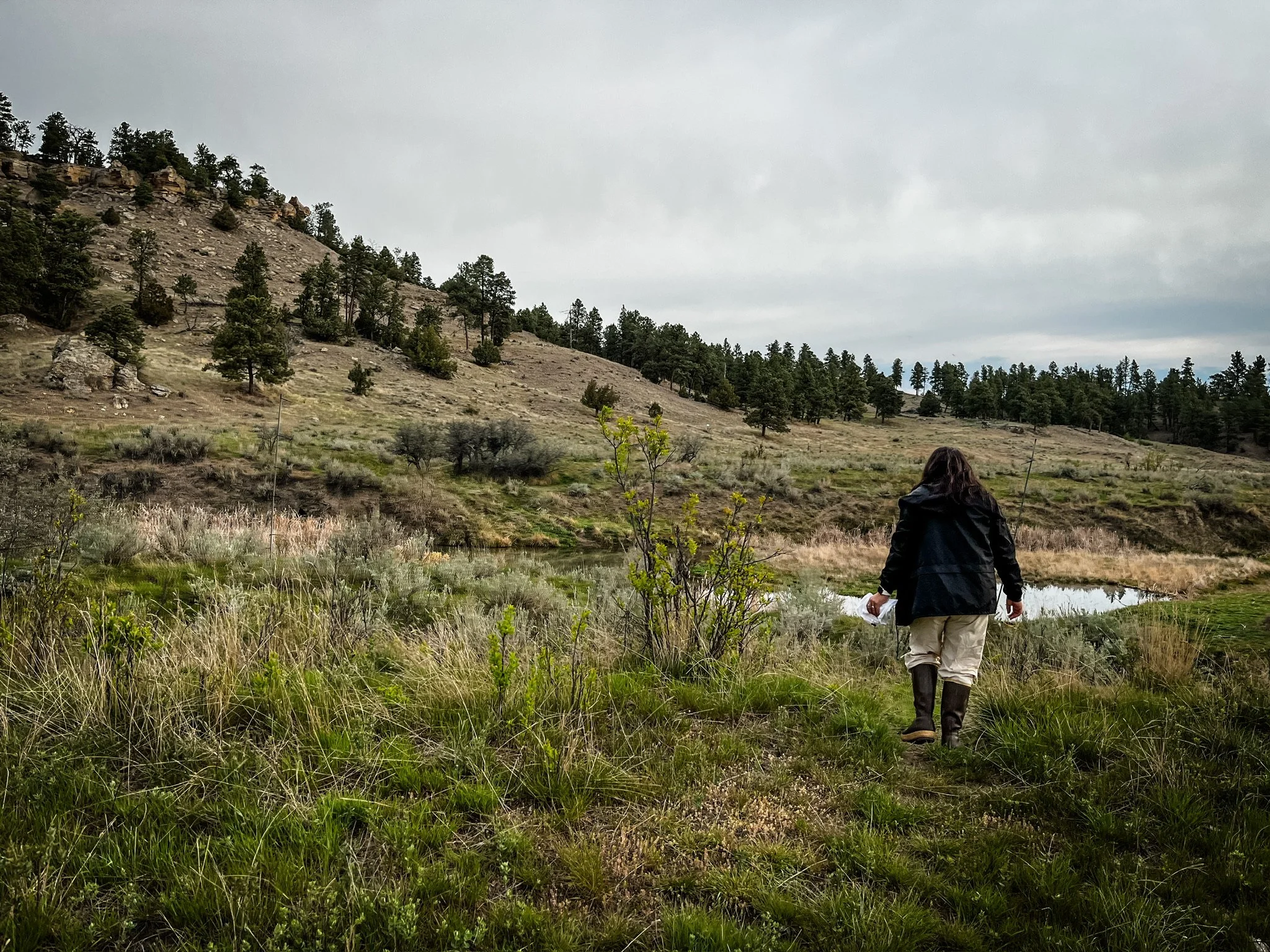
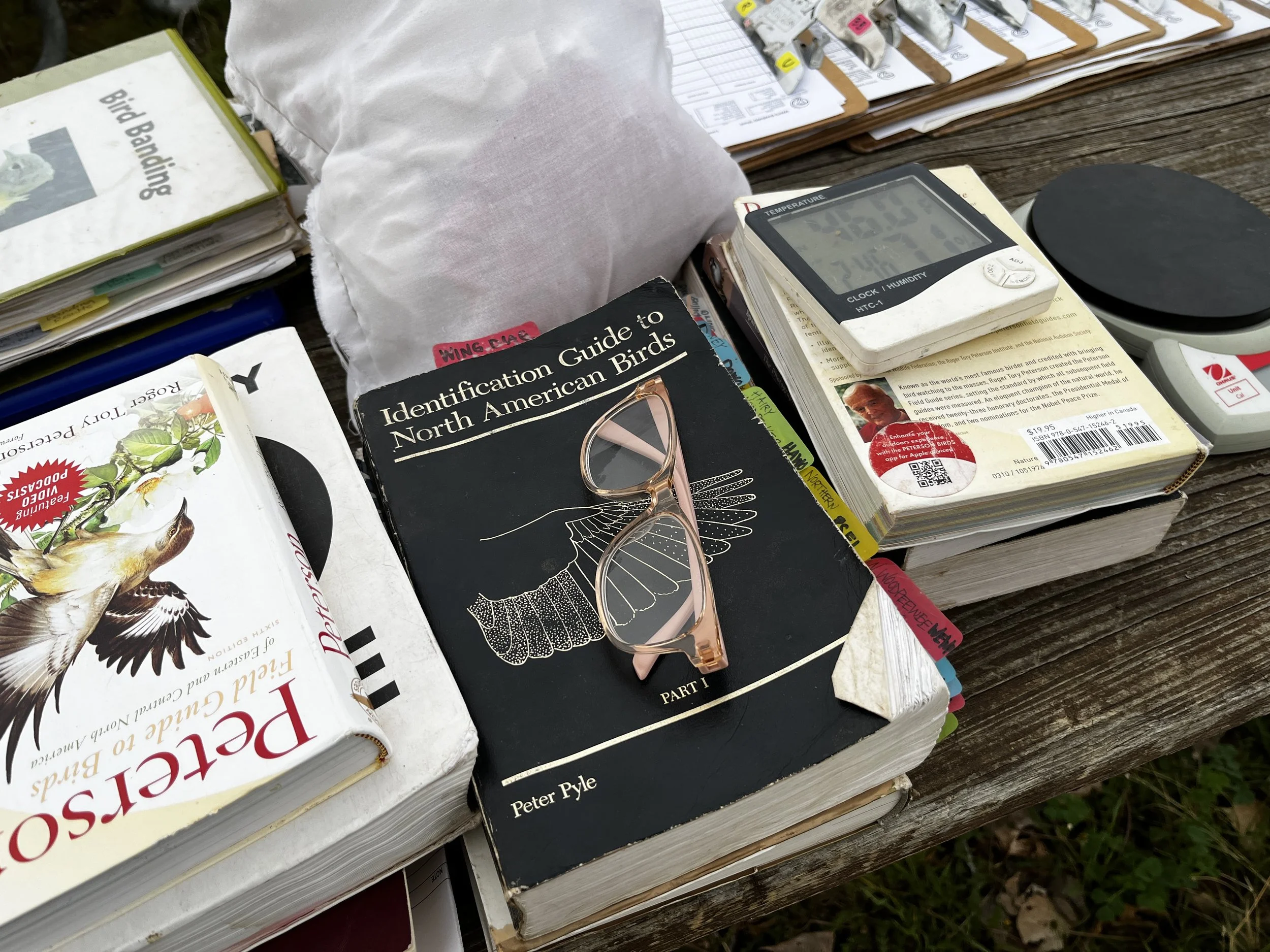
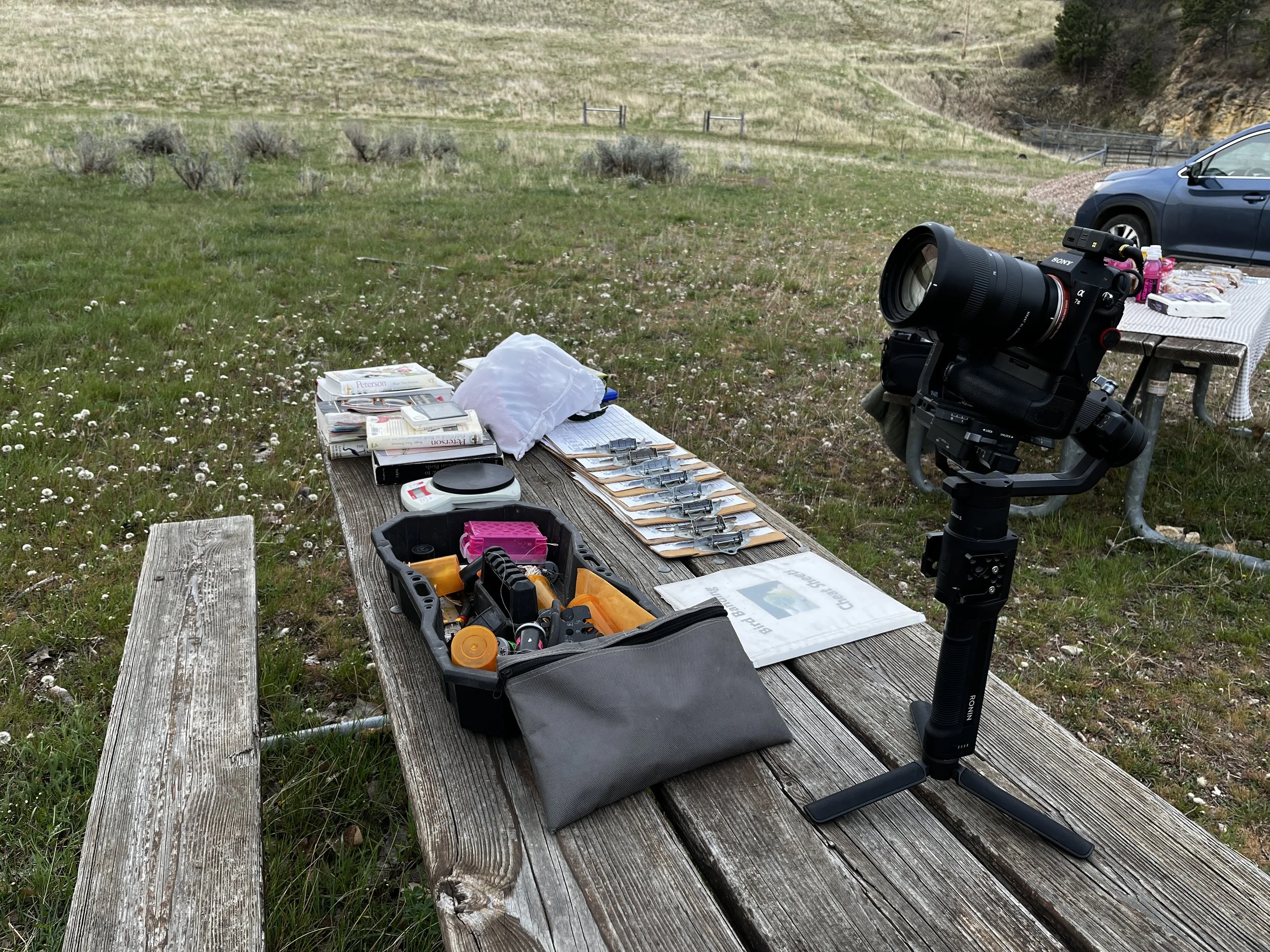
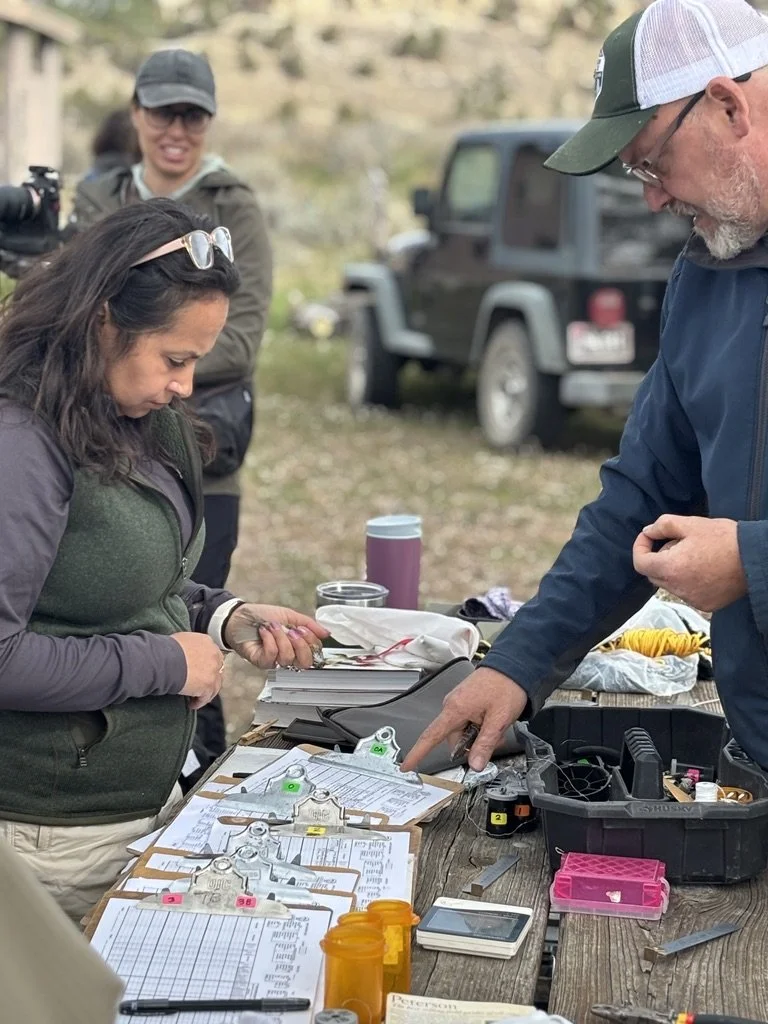
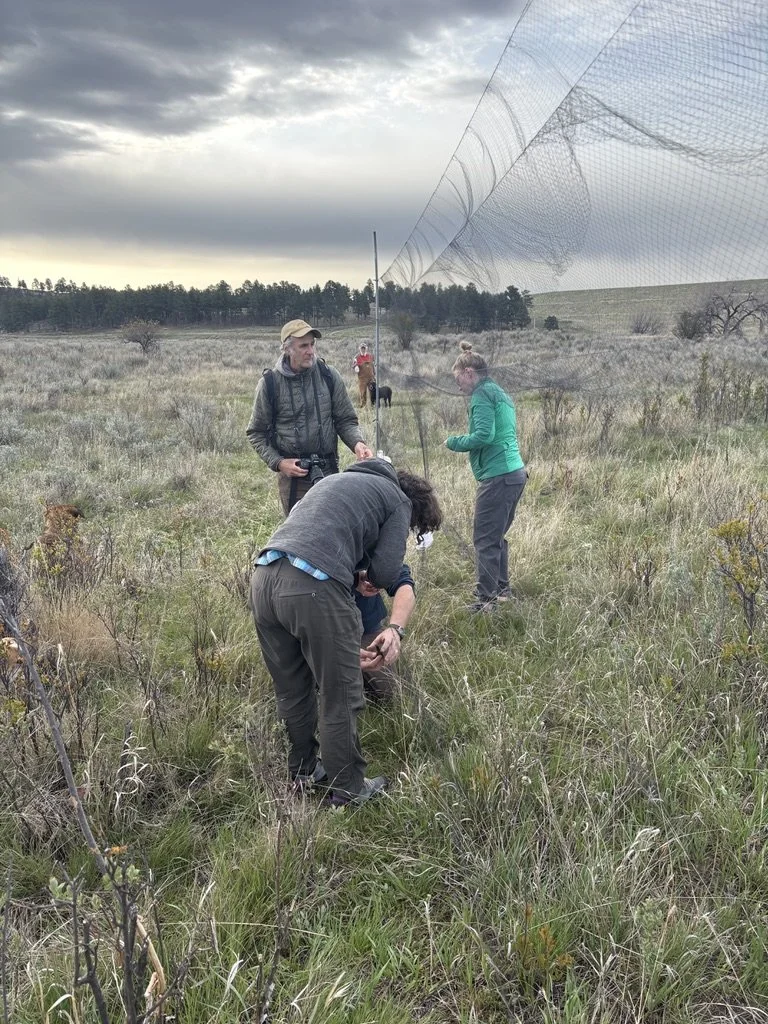
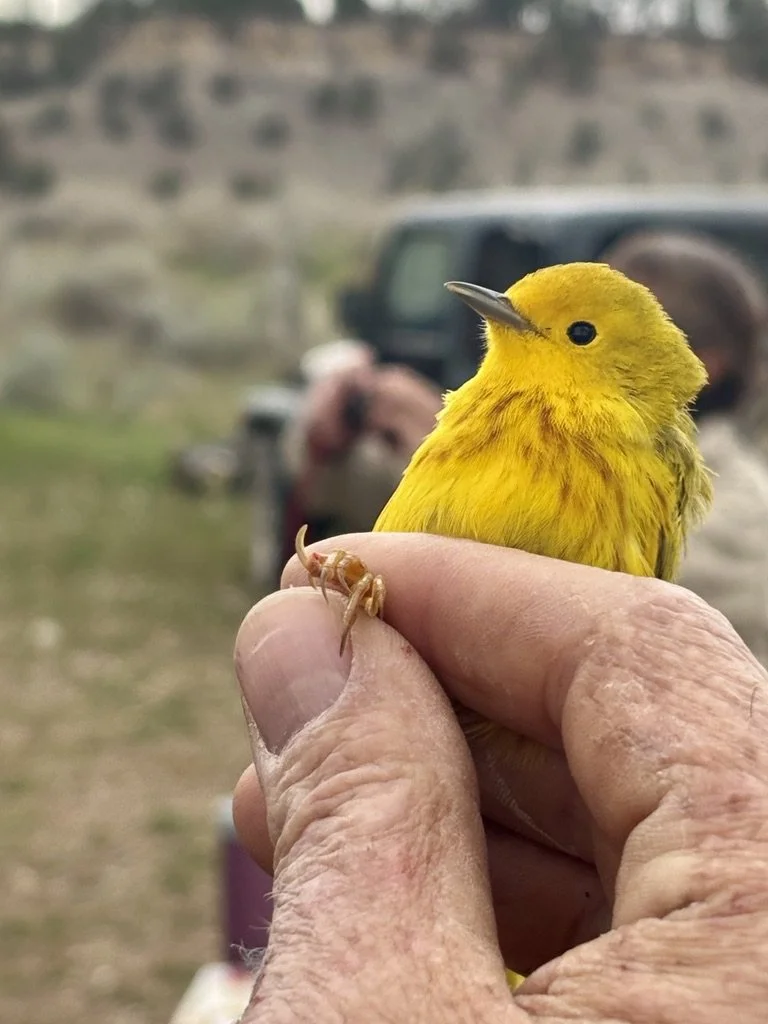
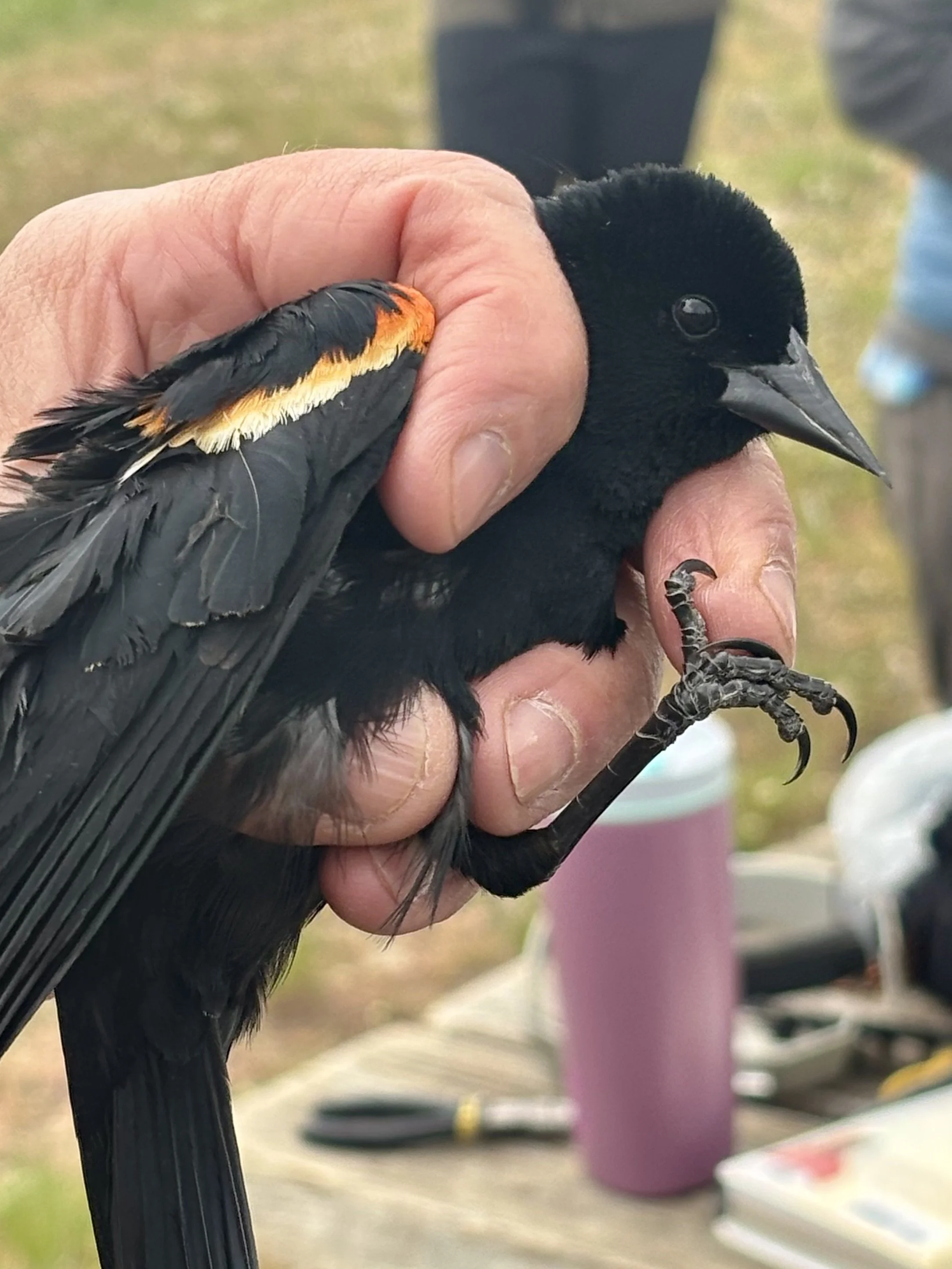
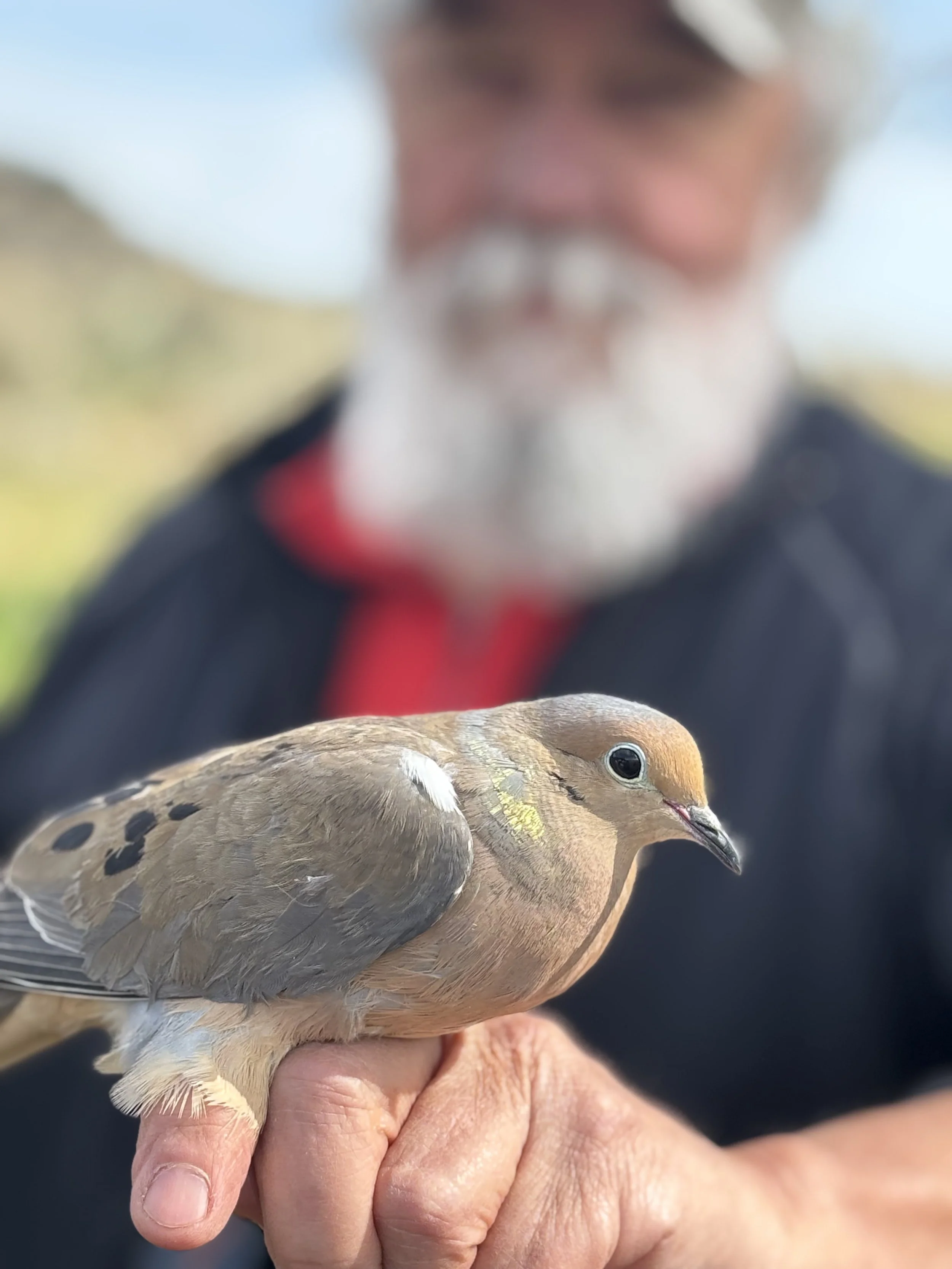
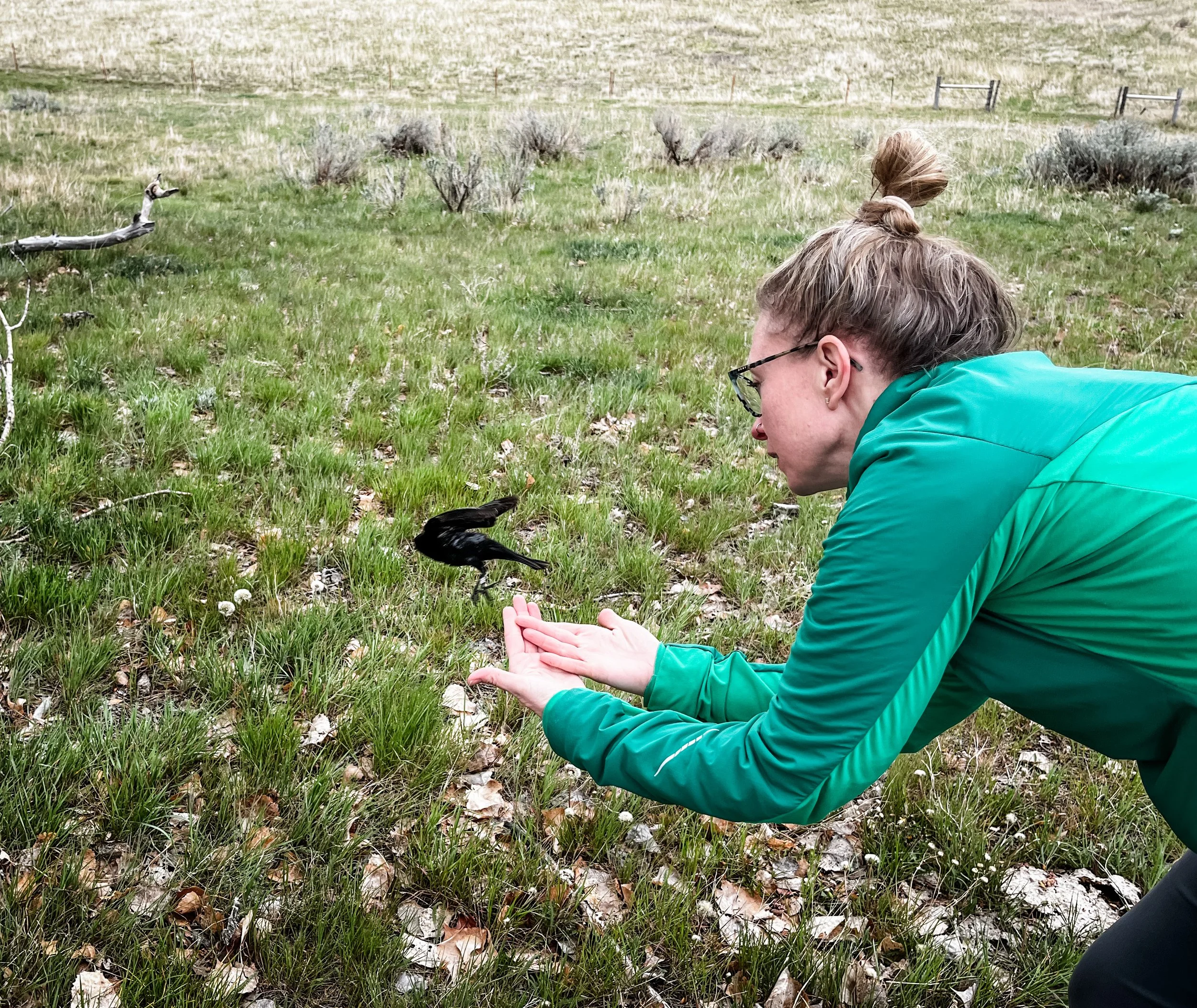
“Just over 200 years ago, scientists still didn’t know how birds migrated. They thought they flew to the moon. They thought they burrowed in the mud. It was bird banding that solved it.”
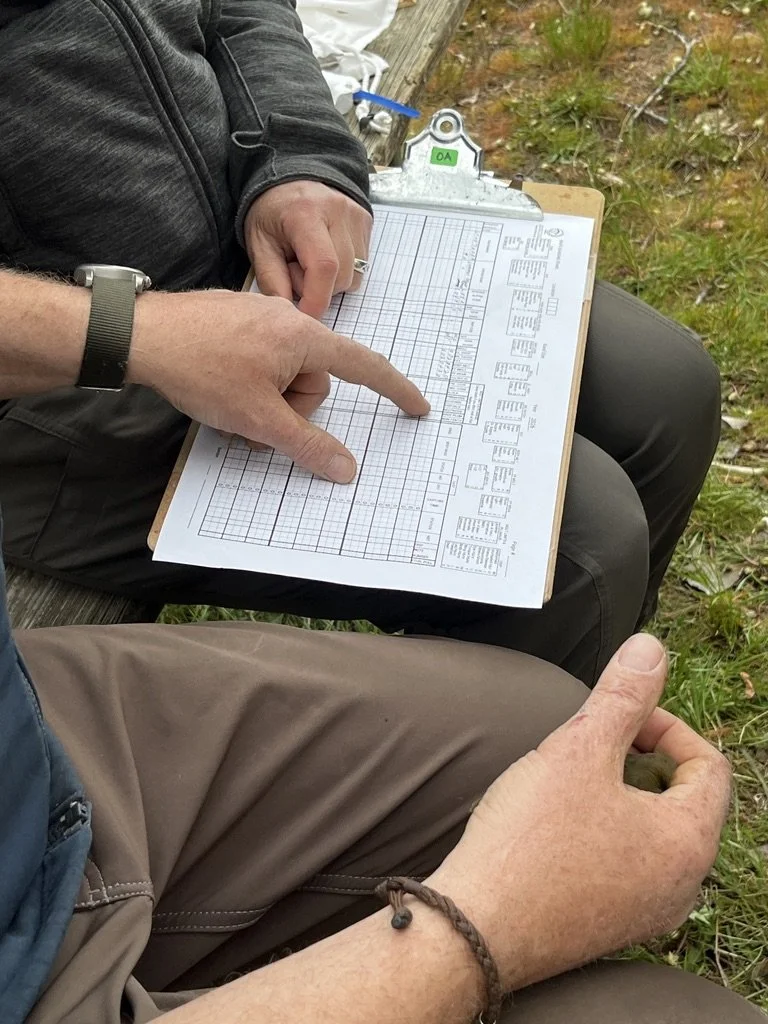
“Right now is a really fun time for us. All the data is coming together. We can make pretty good inferences on what the birds are doing, which species are here now that hadn’t been previously, which ones are no longer using this habitat.”
What the Aspens Remember: Meet Heather Rodriguez
Three and a half years ago, this festival was two sheep wagons parked in a field. Today, Heather Rodriguez organizes the festival out of the Rockpile Museum, built loosely on the model of Trailing of the Sheep, an older Basque festival in Idaho. She anchored it to the museum's own rock pile; a landmark ranchers once used to find the railroad.
The festival's quieter subject is memory itself. Out in the woods of southern Wyoming, sheepherders once carved their initials, dates, and words, Basque, Scottish, into aspen trees. The carvings are called arborglyphs, and as the trees grow, the letters stretch and blur: a slow record left by men who otherwise left little behind.
The People, The Wagons, The Culture: Many Roads to the Same Field
A row of sheepwagons hold the horizon of the festival. Each one, a fingerprint of humanity and place. Bob Christensen is seventy-two and has run sheep and cattle his whole life on land his grandfather homesteaded in 1904. Cheryl and Greg Lindblom are third and fourth generation sheepherders; their sheep wagon, built by a Colorado maker, doubles now as an Airbnb and a grandkids' campsite. Jeanette Kuiper grew up living out of a sheep wagon, two kids and two parents fit into a space built for one adult. Felicia Schenderlein, who grew up on the Crow Reservation, has a wagon her husband built by hand, start to finish. Ashton Esponda grew up on a sheep-and-cattle ranch outside Buffalo and dances Basque as an adult the way she did as a child. Jennifer Romanoski isn't Basque at all. She moved from Michigan and asked to join the dance club anyway. Different ranches. Different history. Shared festival.
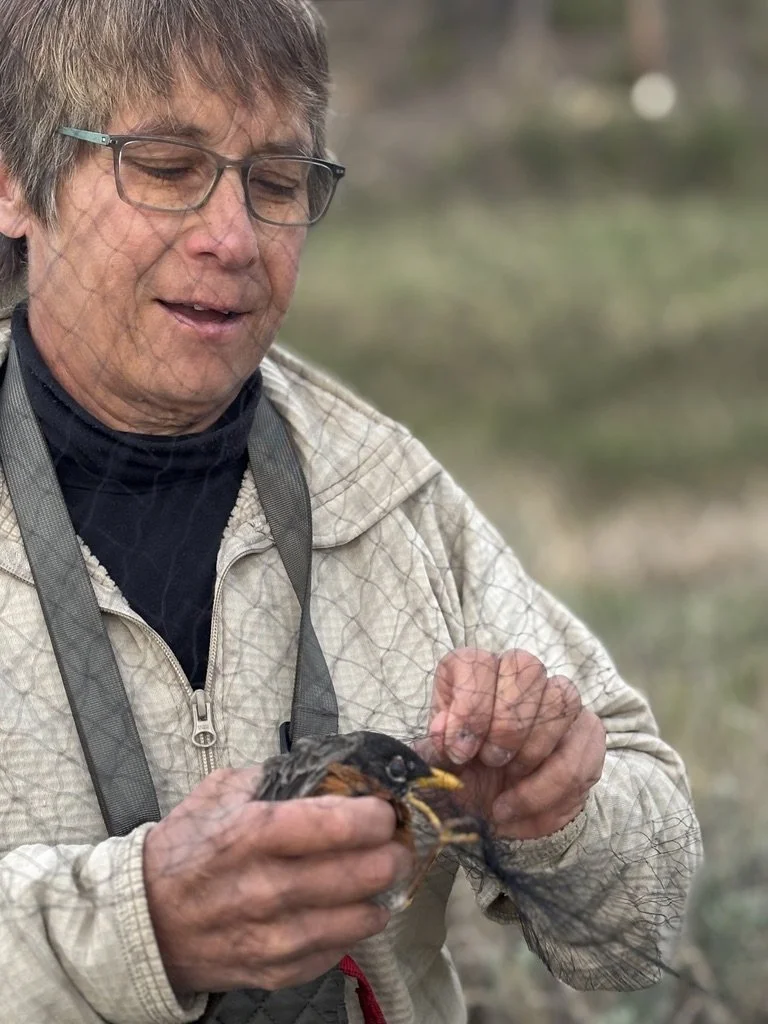
“It’s a whole lifetime of learning. It makes you feel like a kid.”
“We both just said it was a great experience. We’ll probably come back.”
“I was a little nervous about the birds at first. But I’m learning lots and having fun.”
A Day Measured in Sheep Bells and Steel
The day moves in set pieces. The flock comes first, trailed down Echeta Road behind a dog, streets closed for it, the Lander pipe band playing a Scottish ballad as the sheep and lambs come into the field by the fire station. Then the wagons; seven of them this year, no two alike. One drove in from Kansas just to be seen. One belongs to the Crow Tribe. Two were built by high schoolers in shop class. One is a nearly a hundred-year-old original that has never been restored. Every one of them is different–different tables, different latches, some with a place to make coffee and some with no stove at all.
Off to the side, Toby Fiske works a coal forge that runs upward of 3,000 degrees, hammering a piece of steel toward a hook or a hinge. He calls himself a “baby blacksmith”. His day job is project management for the city, but the tools on his table are the same ones that would have ridden west in a wagon just like these: making axes, fixing axles, shoeing feet that weren't human.
Nearby, Basque dancers wear bright reds and whites and run through the stick dances, movements meant to wake the earth up in time for planting.
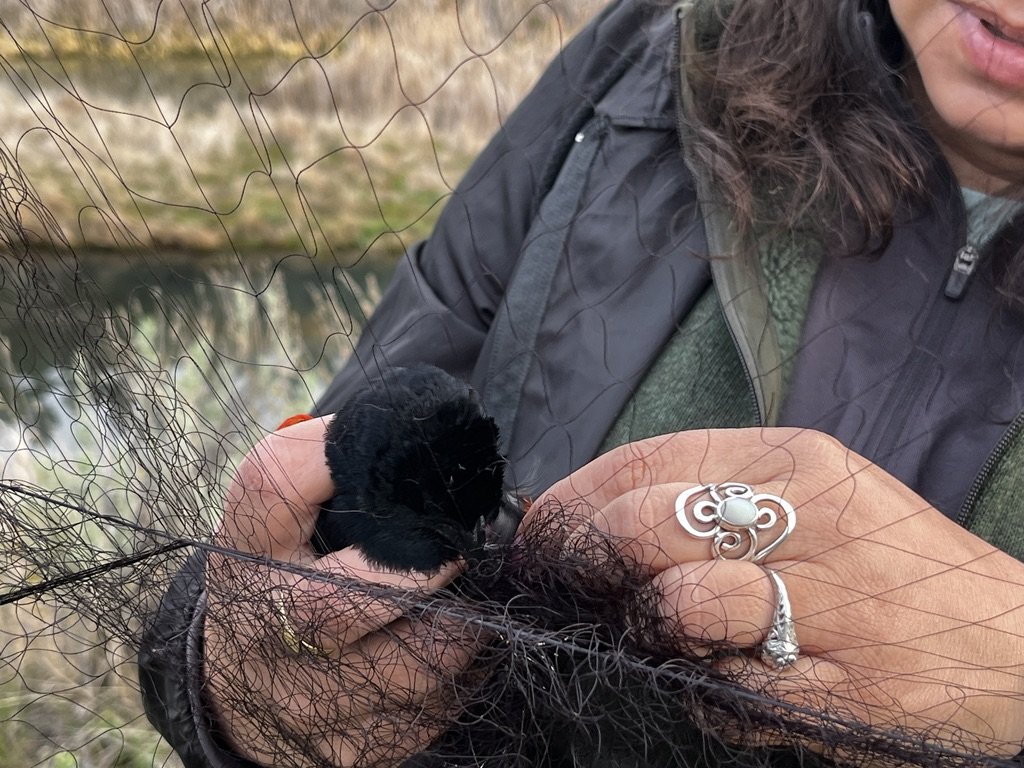
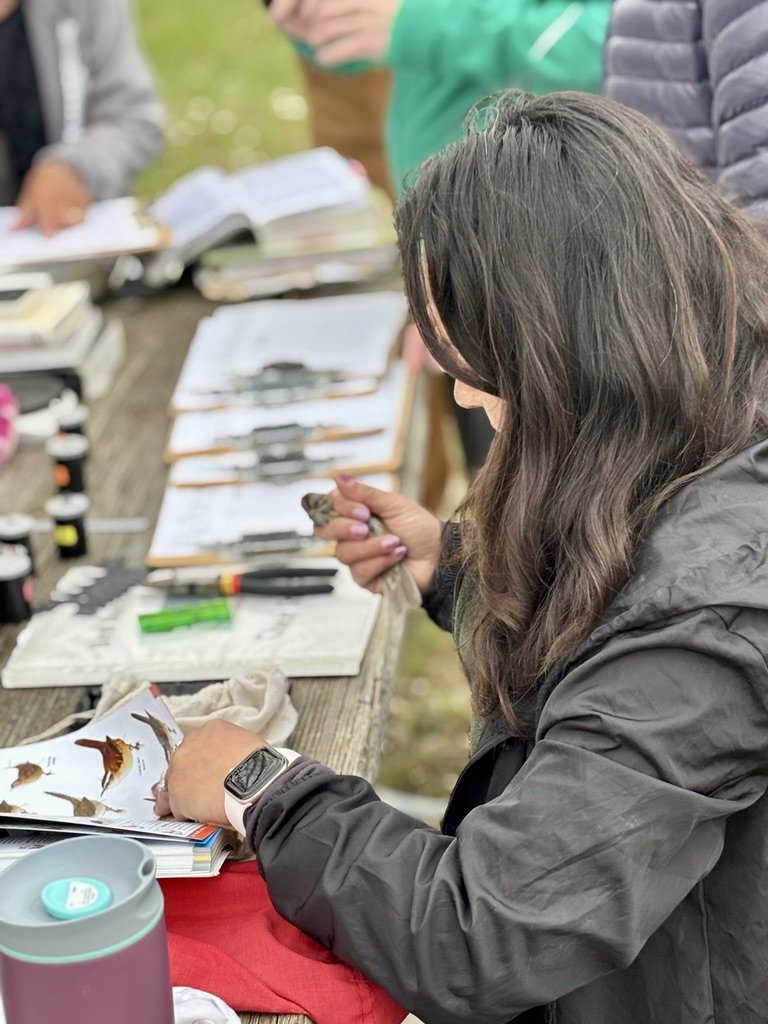
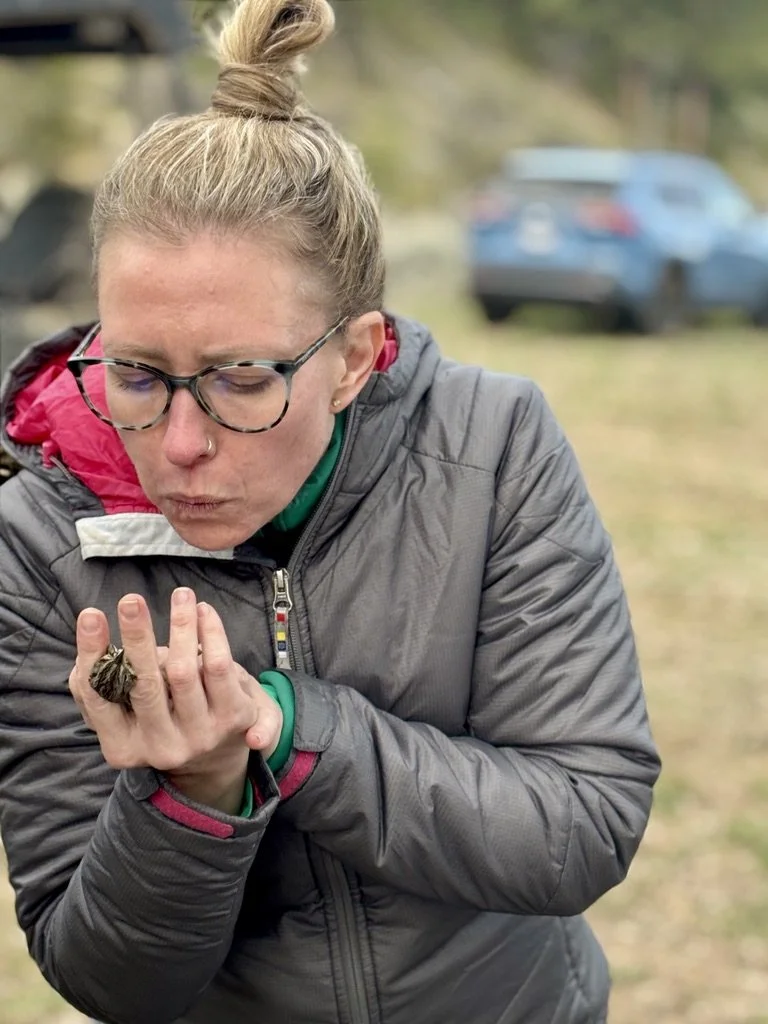
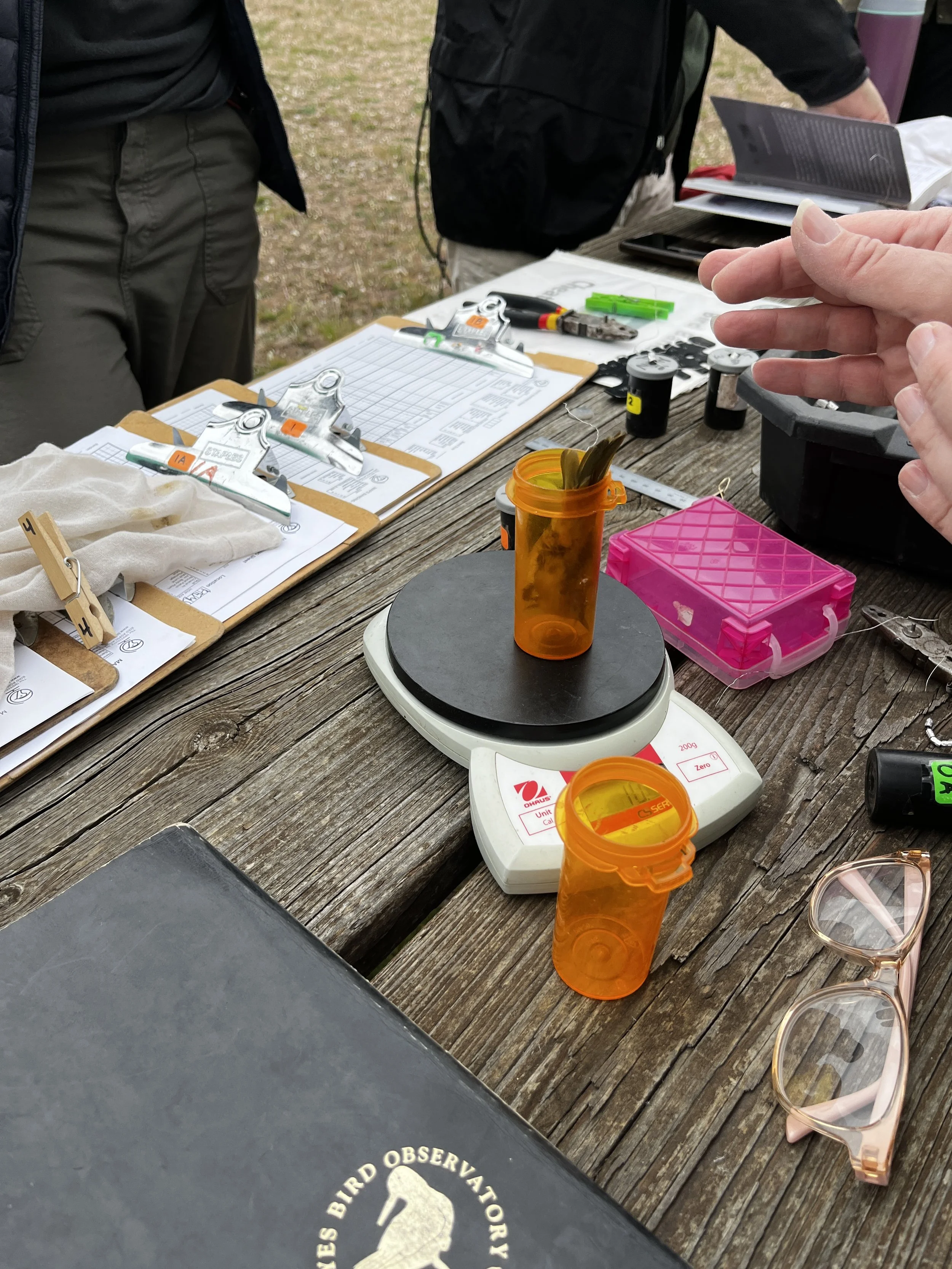
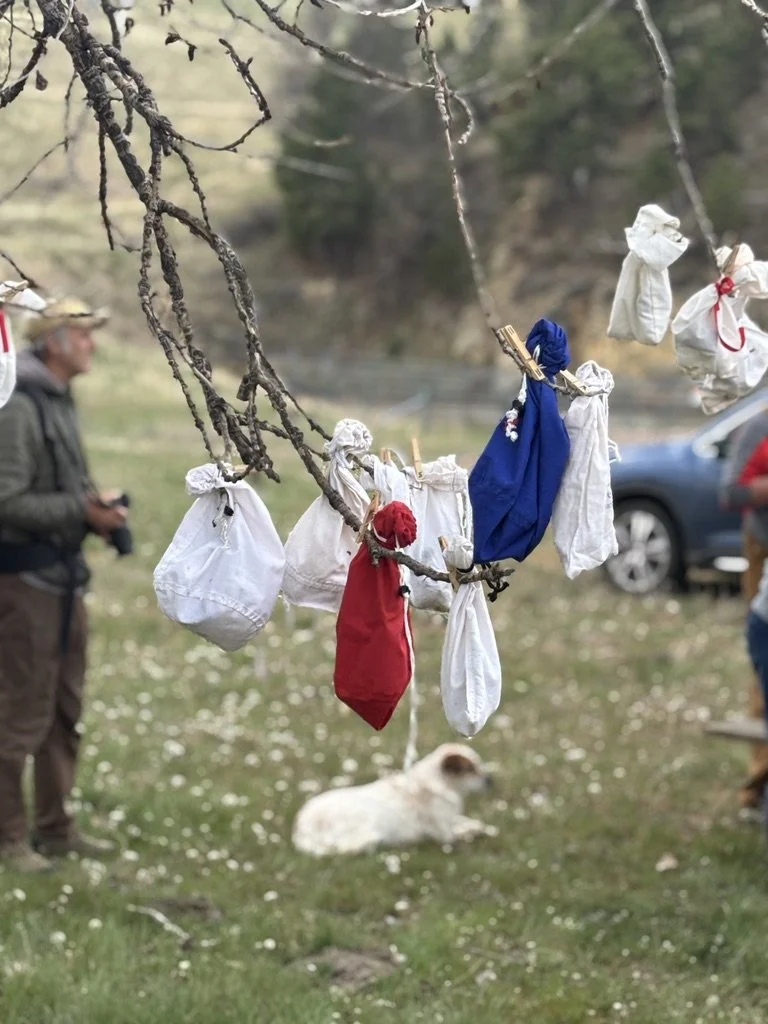
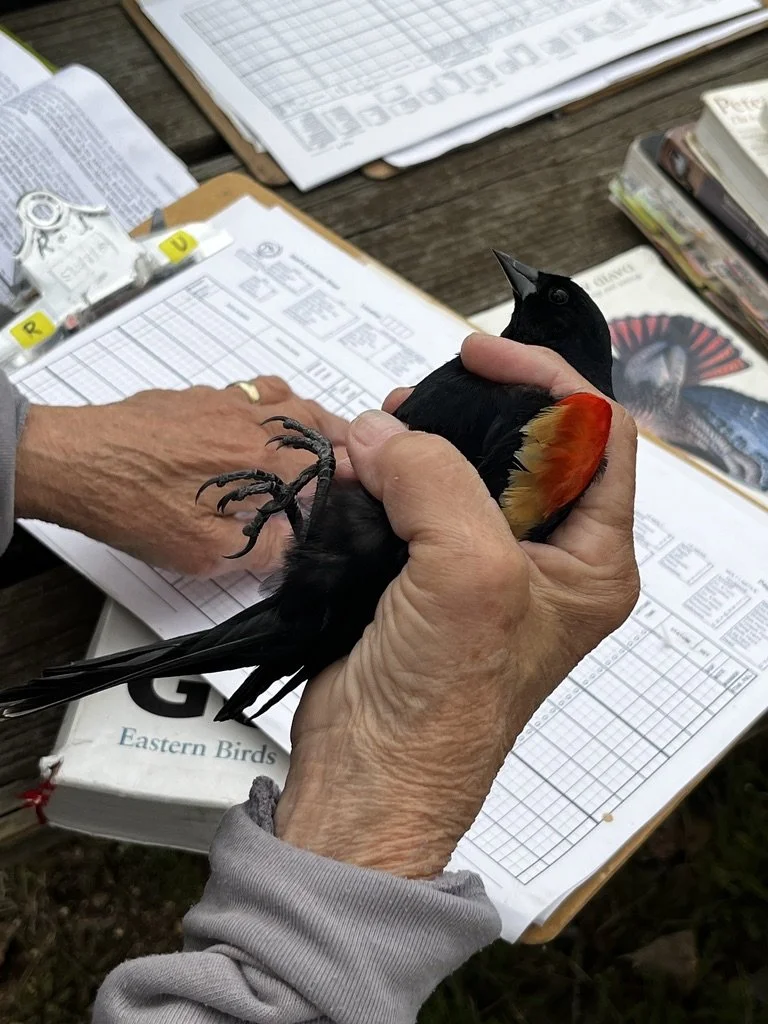
“When they hold a bird in their hand, it’s very exciting for them. Their enthusiasm is really contagious.”
The Old Work of Showing Up
What gets preserved here isn't just one particular skillset or vocation. It's a way of being and a way of treating your neighbors. Cheryl Lindblom's grandfather was a blacksmith who helped gild the dome of the Wyoming State Capitol before he ever ran cattle; her grandchildren are the fifth generation on the same land. Greg Lindblom describes an economy that only works because it isn't purely competitive: ranchers bidding against each other for the same buyers at the sale barn, then showing up first at each other's branding or house fire. Jennifer Romanoski, the transplant from Michigan, has also watched the same instinct play out around her adopted town, a house fire, a cancer diagnosis, a car accident, and says the community rallies every time, no matter who you are or where you started.
This is what the festival is actually protecting: not just wagons and dances, but the habit of showing up for each other, generation after generation.
What We Carry Forward
By the time the rain let up, the day’s schedule had emptied out too. The dancers and musicians packed up their props, the forge cooled, and the wagon doors latched shut one by one. The sheep ambling into the trailers and fields they’d been trailed into that morning. The accordions and pipe band long since gone quiet.
It’s easy to wonder, watching a festival like this pack up, whether any of it changes much beyond the weekend. But Heather Rodriguez grew this out of two sheep wagons and a rock pile because she believed the story was worth telling. Three and a half years later, seven wagons, a working forge, a circle of Basque dancers and musicians, and a small market suggest she wasn’t wrong.
Somewhere past the edge of town, on land families have worked for four or five generations, the wagons will return to yards or be hauled into the Bighorns for the summer. The sheep will return to pasture. The tools, dances, and music will return to the quieter rhythms of everyday life.
But sheepherding has never been only a livelihood. It is a way of reading weather and land, tending what depends on you, repairing what breaks, enduring solitude, and knowing when survival requires the help of a neighbor. That way of life runs through Wyoming history; in Basque and Scottish words carved into aspens, in ranches carried from one generation to the next, and in songs, tools, traditions, and memories carried across great distances and kept alive through use.
These are Wyoming stories, but they are also human ones: stories of migration, labor, survival, belonging, and the hope that something of us will remain. For one rainy weekend in Gillette, people came to remember not only how sheepherders once lived, but what their way of life still teaches us about land, endurance, belonging, and our need for one another.
“If you can get 25 people to a conservation event like bird banding in Wyoming, that’s huge. Most Wyomingites would surprise you with how conservationally-minded they are. It’s very deep in their roots. Very deep in all of our hearts.”
Want to experience the next Sheepherders Festival?
Connect with Rockpile Museum: https://campbellcountywy.gov/322/Museum-Overview
All quotes sourced from recorded interviews conducted on-site, Gillette, WY, May 2026. Transcripts on file.
Heather Rodriguez - Festival Organizer, Rockpile Museum
Bob Christensen - Rancher, Campbell County
Cheryl Lindblom - Rancher, Campbell County
Greg Lindblom - Rancher, Campbell County
Diane Hackett - Retired, Campbell County Land Records; Gillette, WY
Jeanette Kuiper - Wagon owner
Felicia Schenderlein - Wagon owner, Crow Reservation
Ashton Esponda - Basque dancer, Buffalo, WY
Jennifer Romanoski - Basque dancer
Toby Fiske - Blacksmith demonstrator; Project Manager, City of Gillette
Photos by Jess Ryan, Nancy Small and Misty Springer
Video by Shelby Hutson