
Community Partners
Re-Storying the West is built on the belief that story is infrastructure, that the stories communities carry are worth celebrating—and worth passing on. Our partners and their projects are the living proof of that. Rooted across the region, they work through music, public art, youth engagement, and place-based practice to make space for voices at the heart of Wyoming’s story. We support them in ways that fit their needs: sometimes as co-organizers, sometimes as funders or amplifiers, always as partners who believe their work matters.

Play/Write
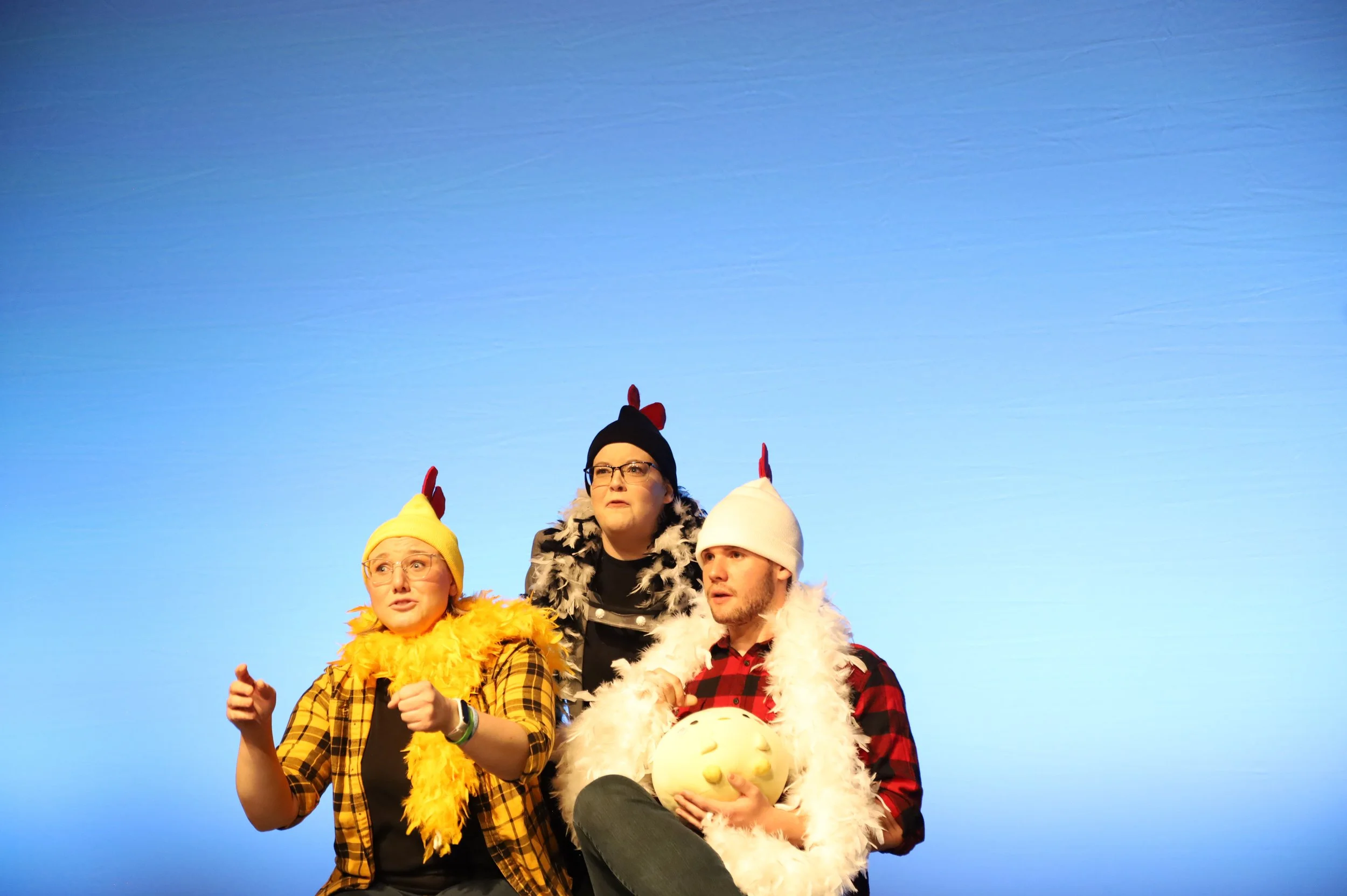
Play/Write, a partnership with Relative Theatrics, is a 21-week theatre and creative writing program for fourth and fifth graders in Albany County schools — and a homecoming of sorts. Theatre practitioner Will Bowling brought the program to Wyoming three years ago, adapted from a model he helped launch in New Orleans in 2010, and each spring it culminates in a public showcase of original student-written plays performed by artists from across the state.
-
RT’s PLAY/WRITE program has two main components:
Yearlong playwriting classes during which RT teaching artists work with fifth and sixth grade students on playwriting and performance. Each student writes many original plays and chooses one to be edited and expanded into a full length play, which is published by RT.
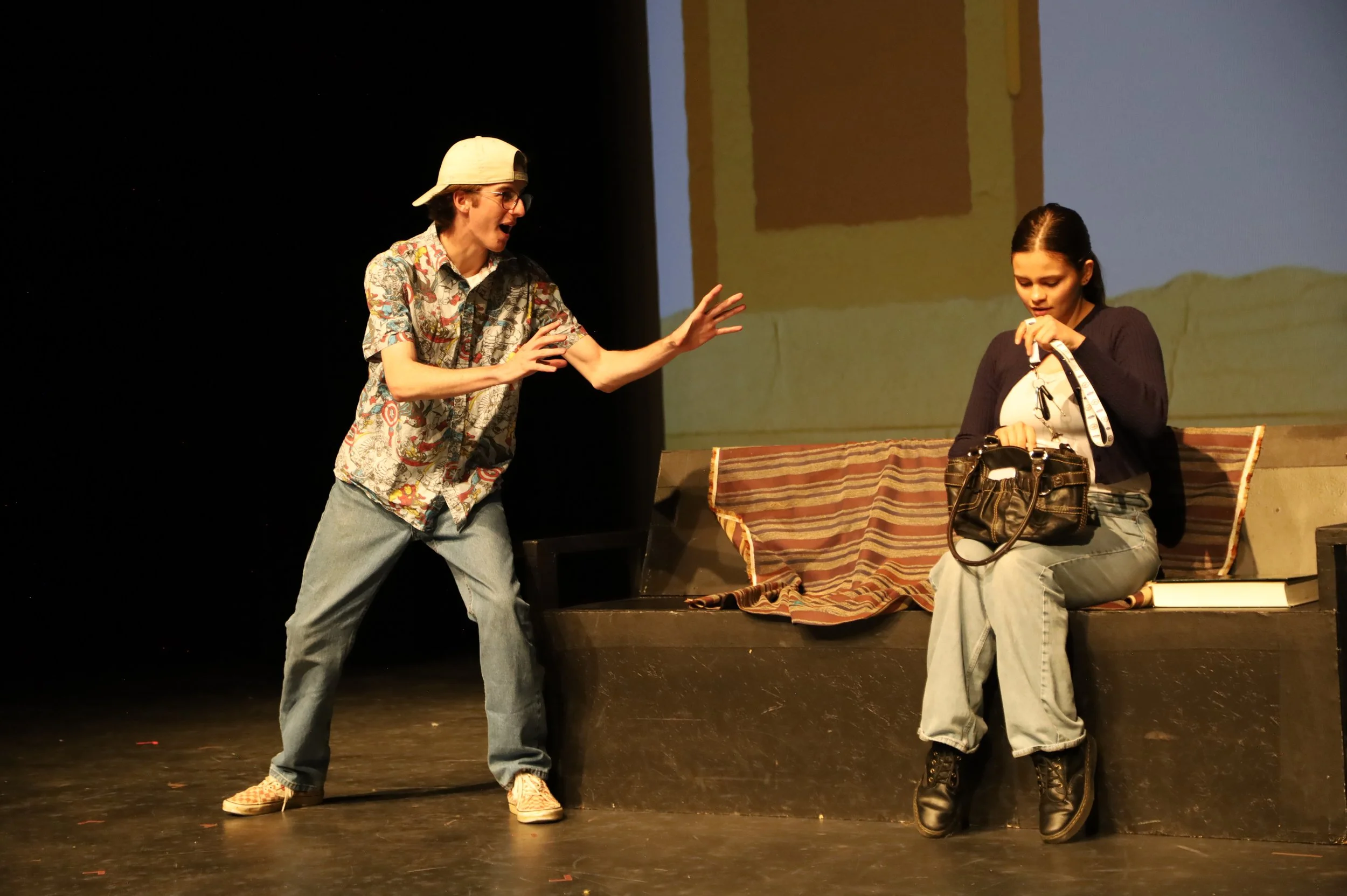
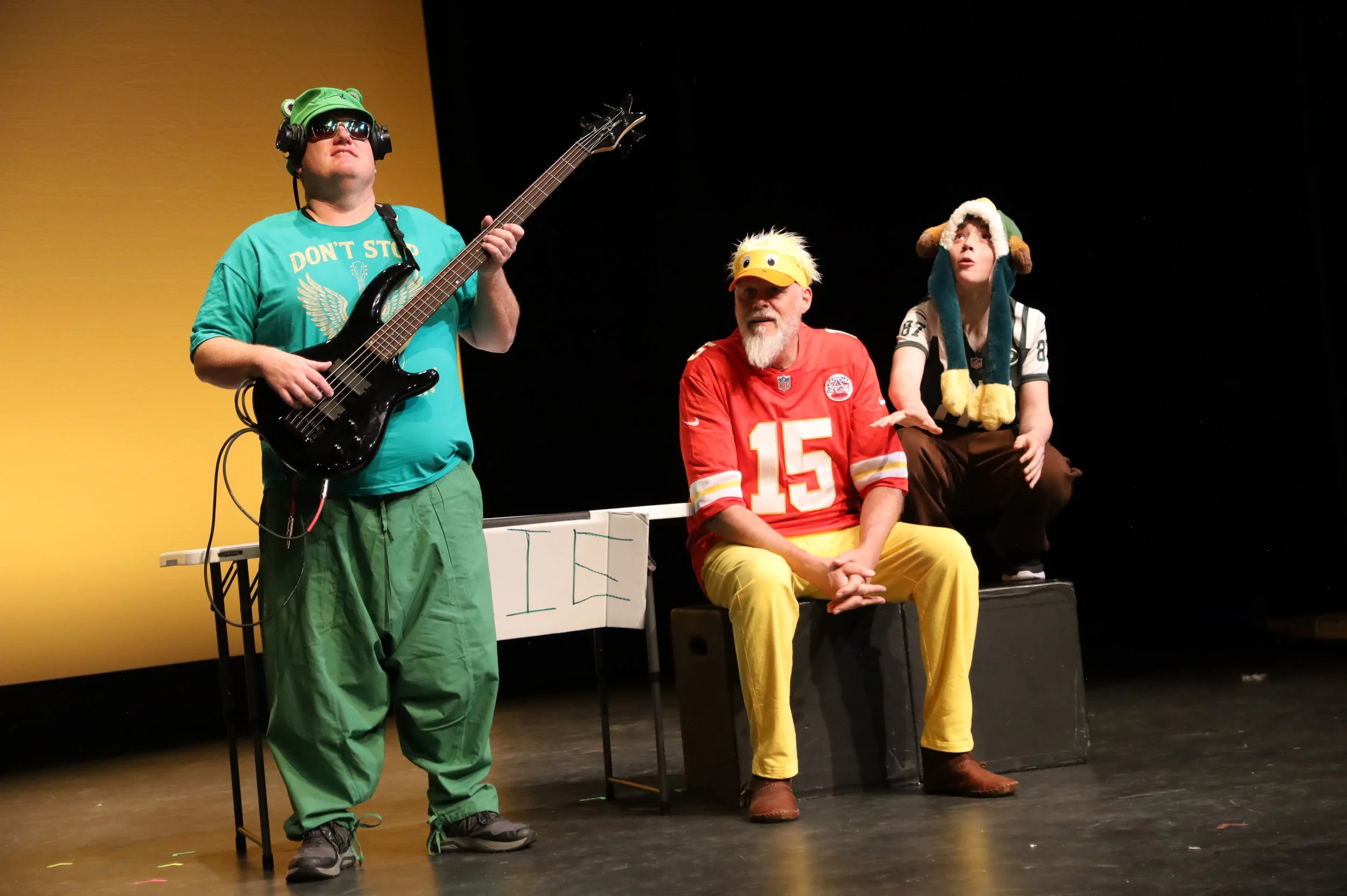
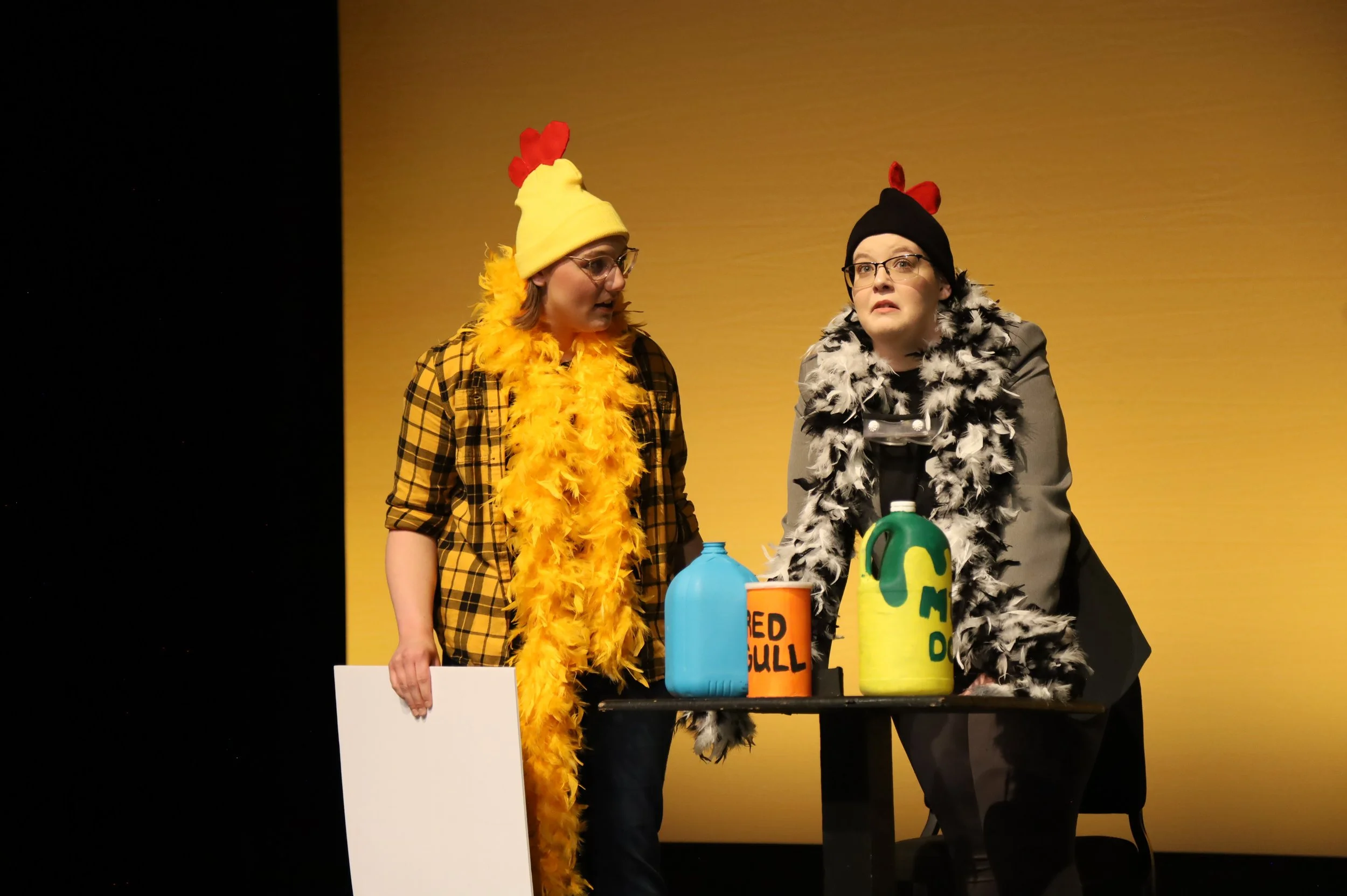
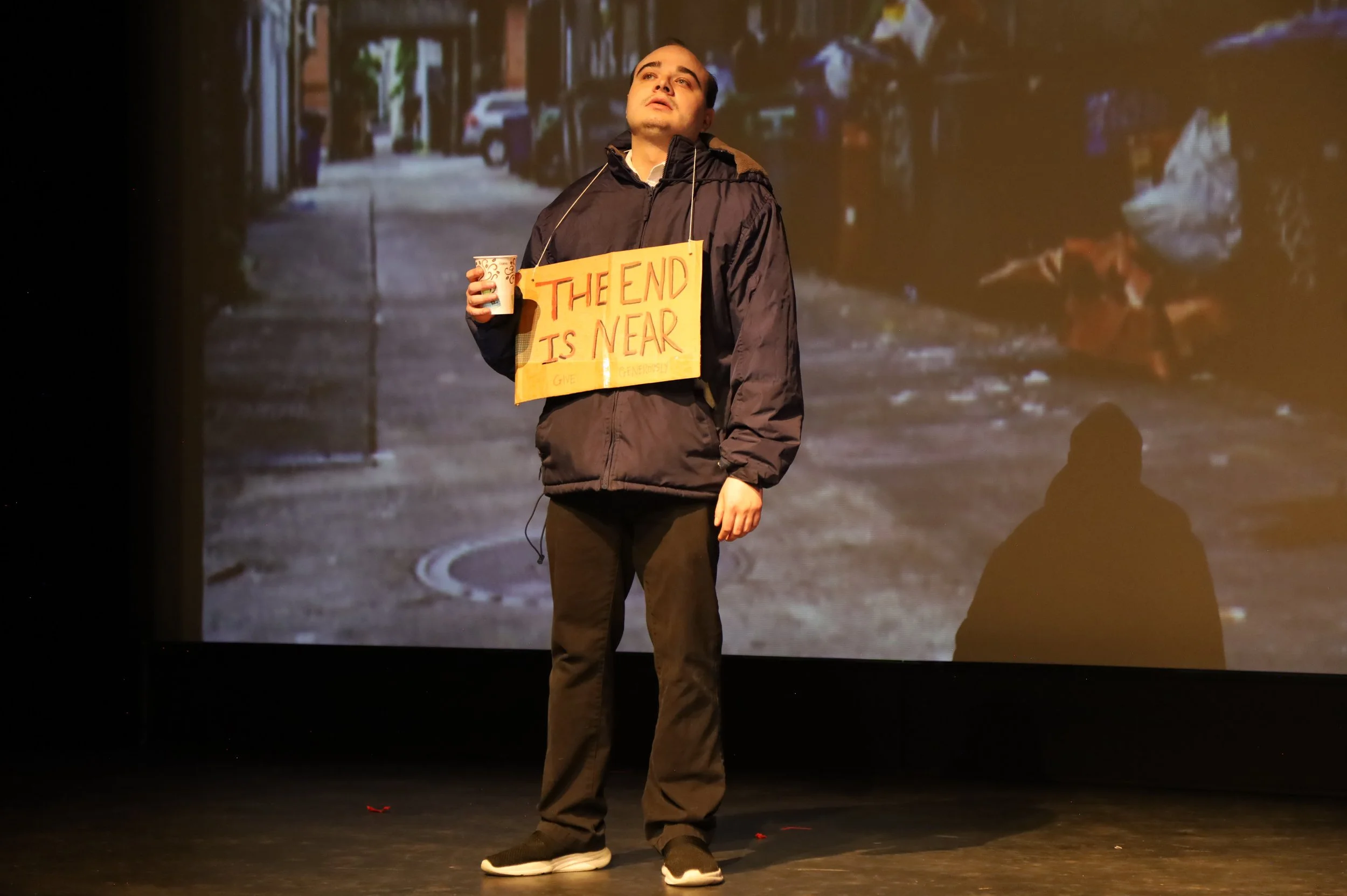
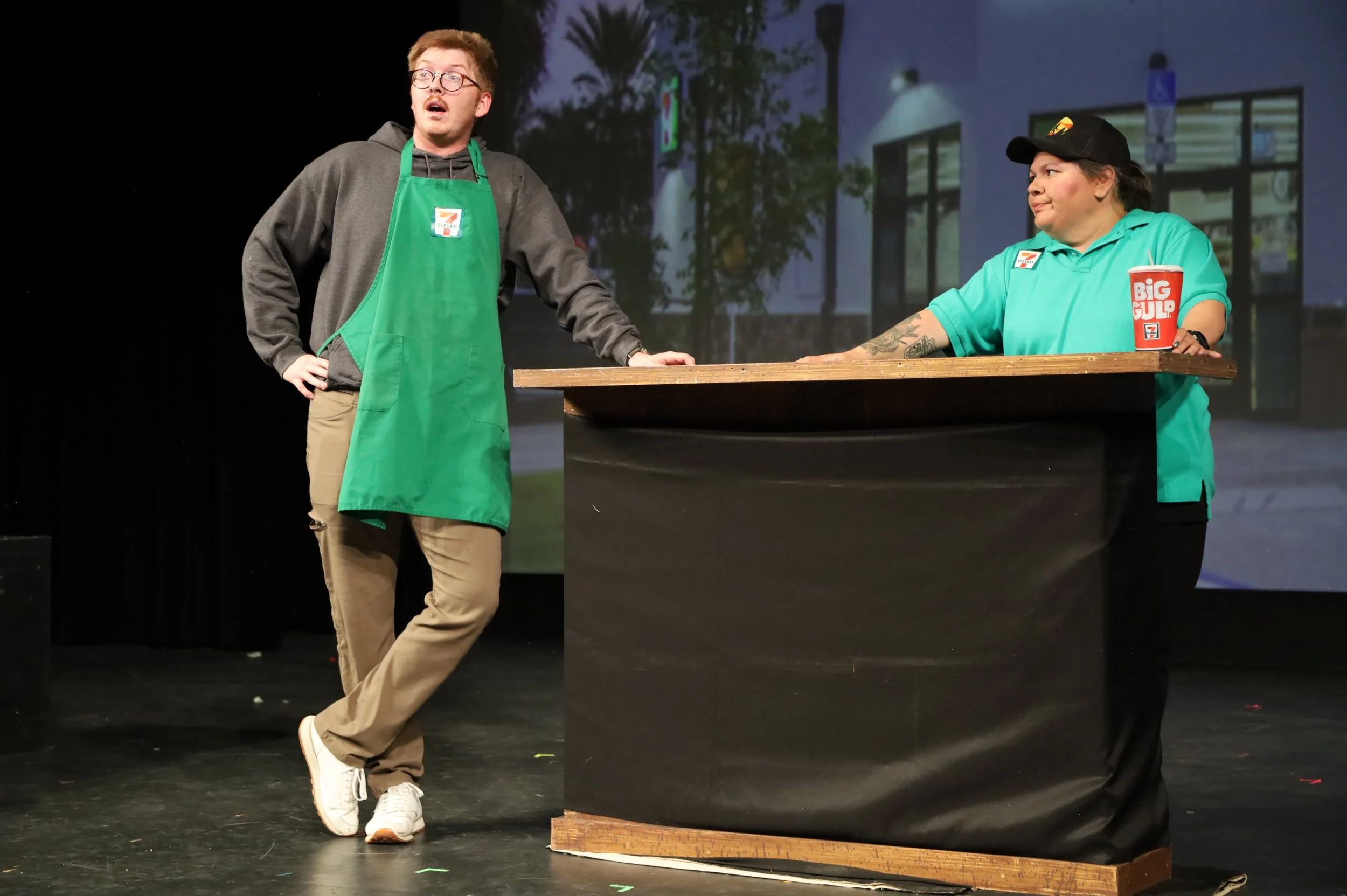
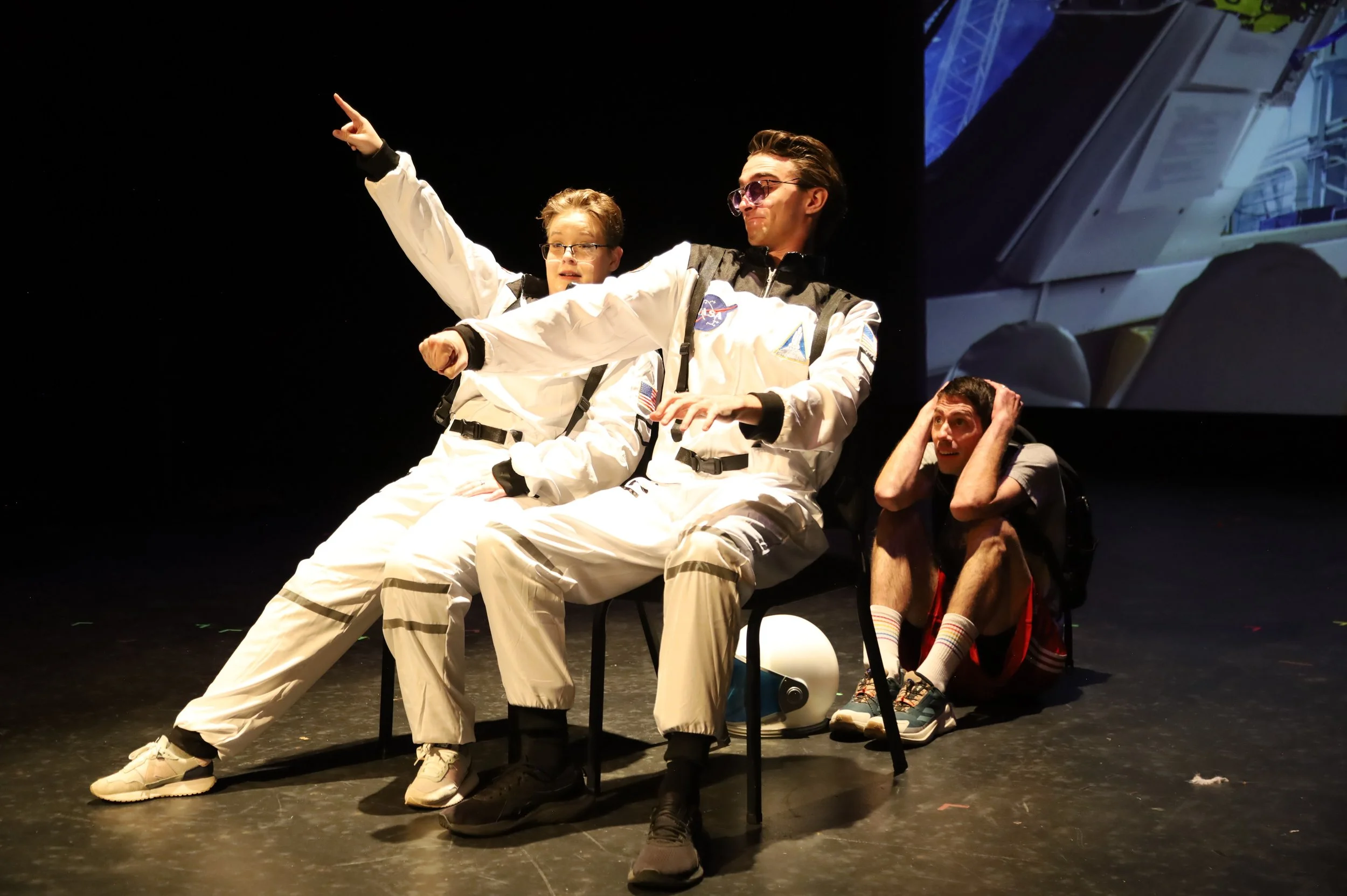
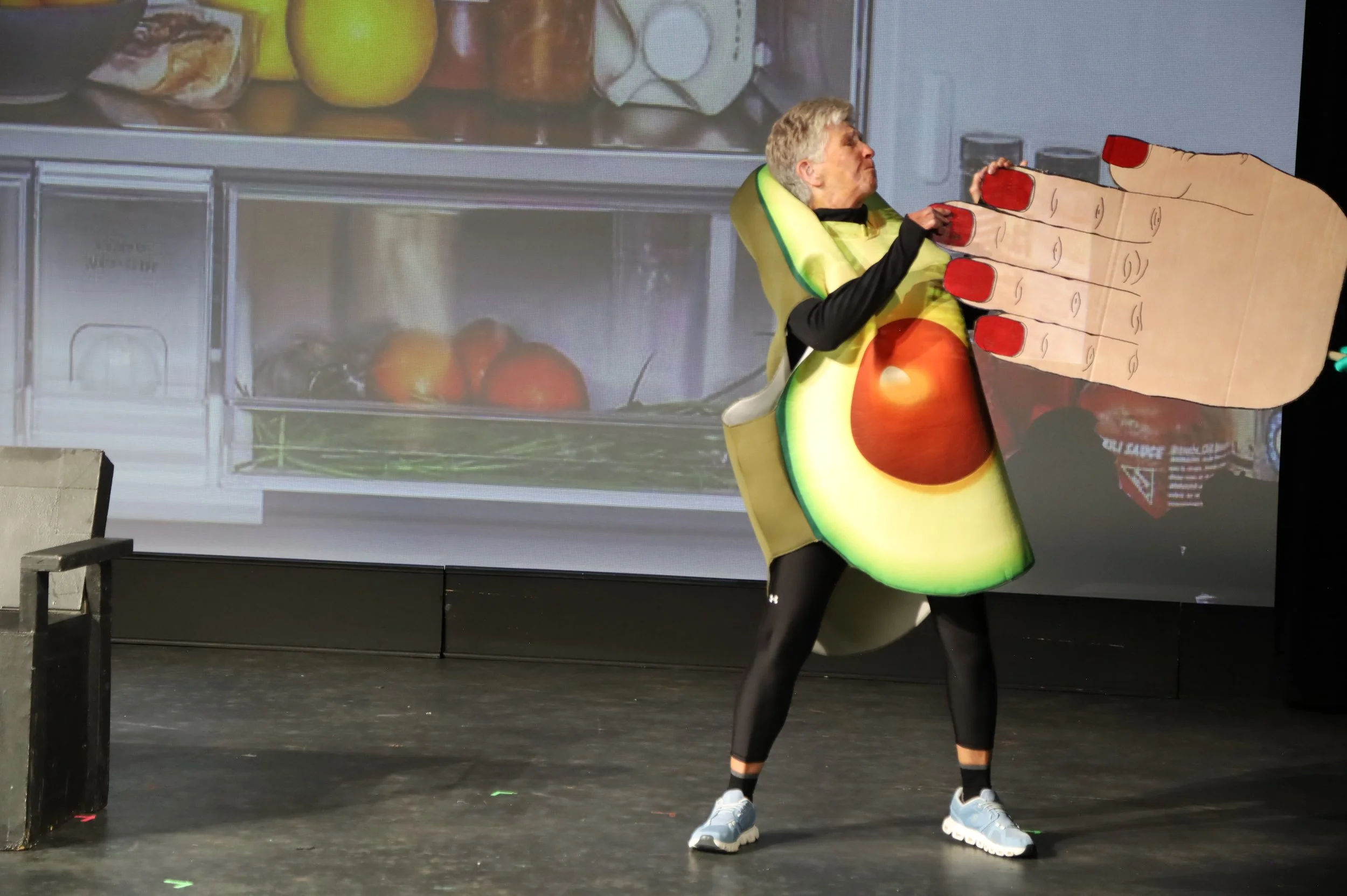
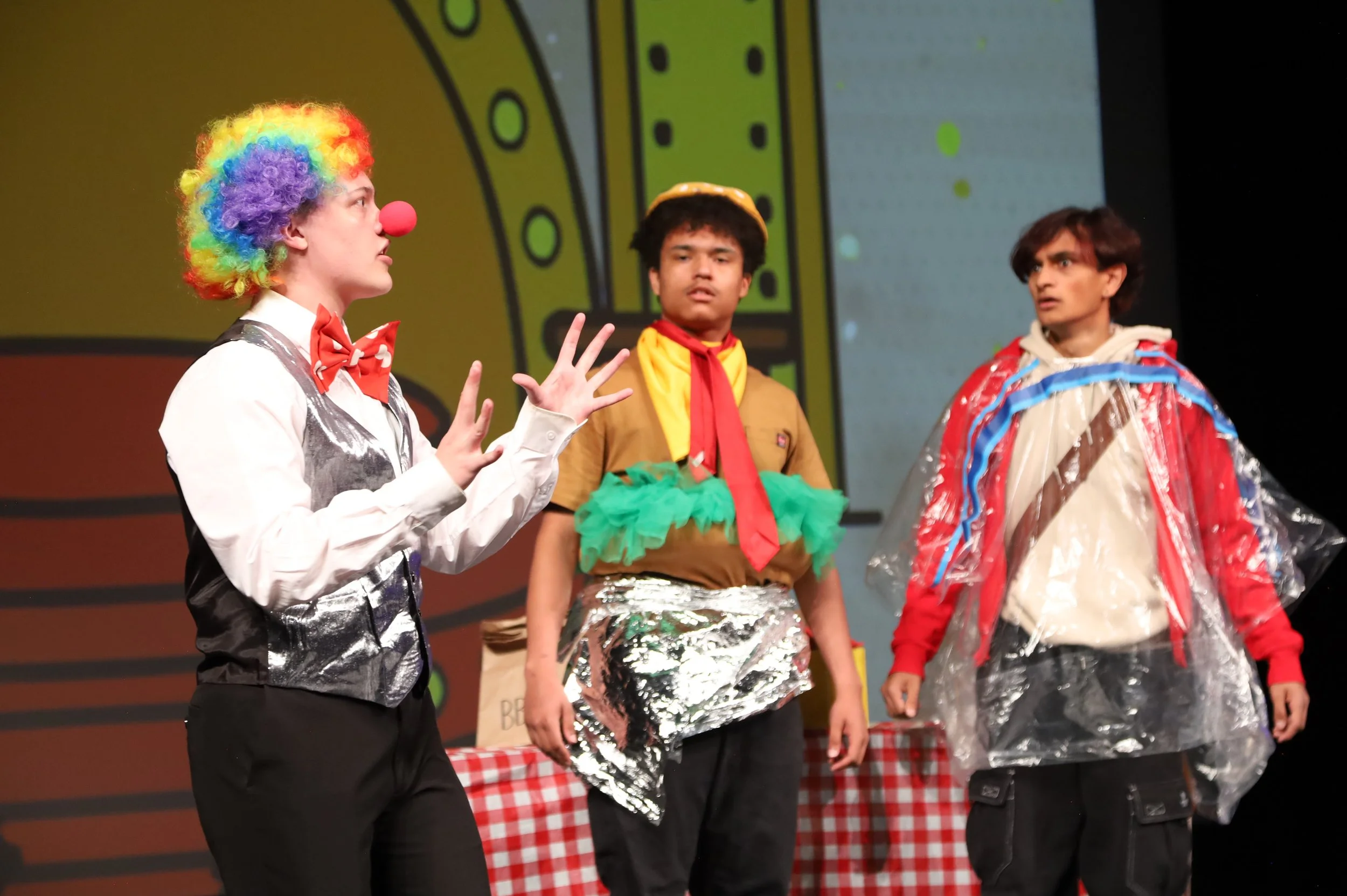
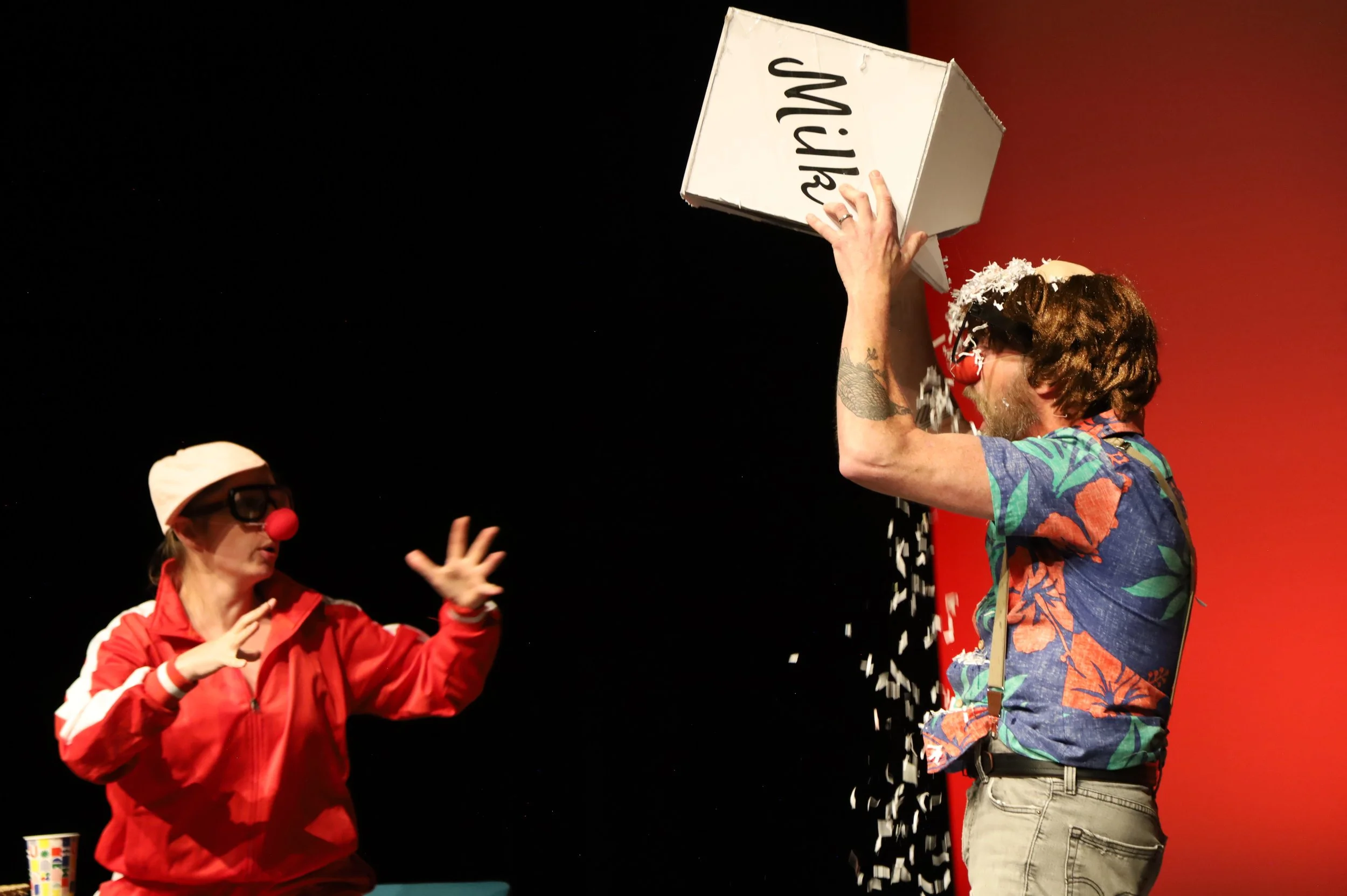
A performance Showcase featuring 9 student-written plays presented by professional theatre and dance companies at Buchanan Center for Performing Arts and the University of Wyoming. There are two performances: one in the daytime when students attend on a field trip, and an evening show that is open to the public.
-
Re-Storying the West was proud to partner and collaborate with this incredible initiative and creative act. We provided hospitality — food and drinks for the adult actors and crew who gave their time and craft to making young playwrite’s words and stories come alive on stage.
-
From RSW team member Aubrey Edwards:
PLAY/WRITE is a the radical act of taking kids seriously, listening to them, appreciating their imagination, and bringing their stories and lived experiences to a larger audience.
There is a palpable moment at the PLAY/WRITE showcase when the room shifts. A professional actor delivers a line — something a ten-year-old wrote, something specific and strange and entirely their own — and the audience, full of kids who came on a field trip and weren't sure what to expect, goes absolutely electric. They recognize it. They know that voice. Maybe it's their friend's. Maybe it sounds like theirs.
That moment is the whole point.
PLAY/WRITE is Relative Theatrics' arts education initiative, now in its third year in Laramie. The program works with students at five elementary schools — Linford, Rock River, Slade, Spring Creek, and Indian Paintbrush — over a twenty-week residency, guiding 4th, 5th, and 6th graders through the full arc of dramatic writing: prewriting, drafting, revision, publication. At the end, each student receives a bound, professionally formatted copy of their own play. And nine of those plays get performed at Buchanan Center for the Performing Arts and the University of Wyoming — by professional theatre and dance companies, in front of a real audience. A truly beautiful thing to witness.
The Laramie Plains Civic Center
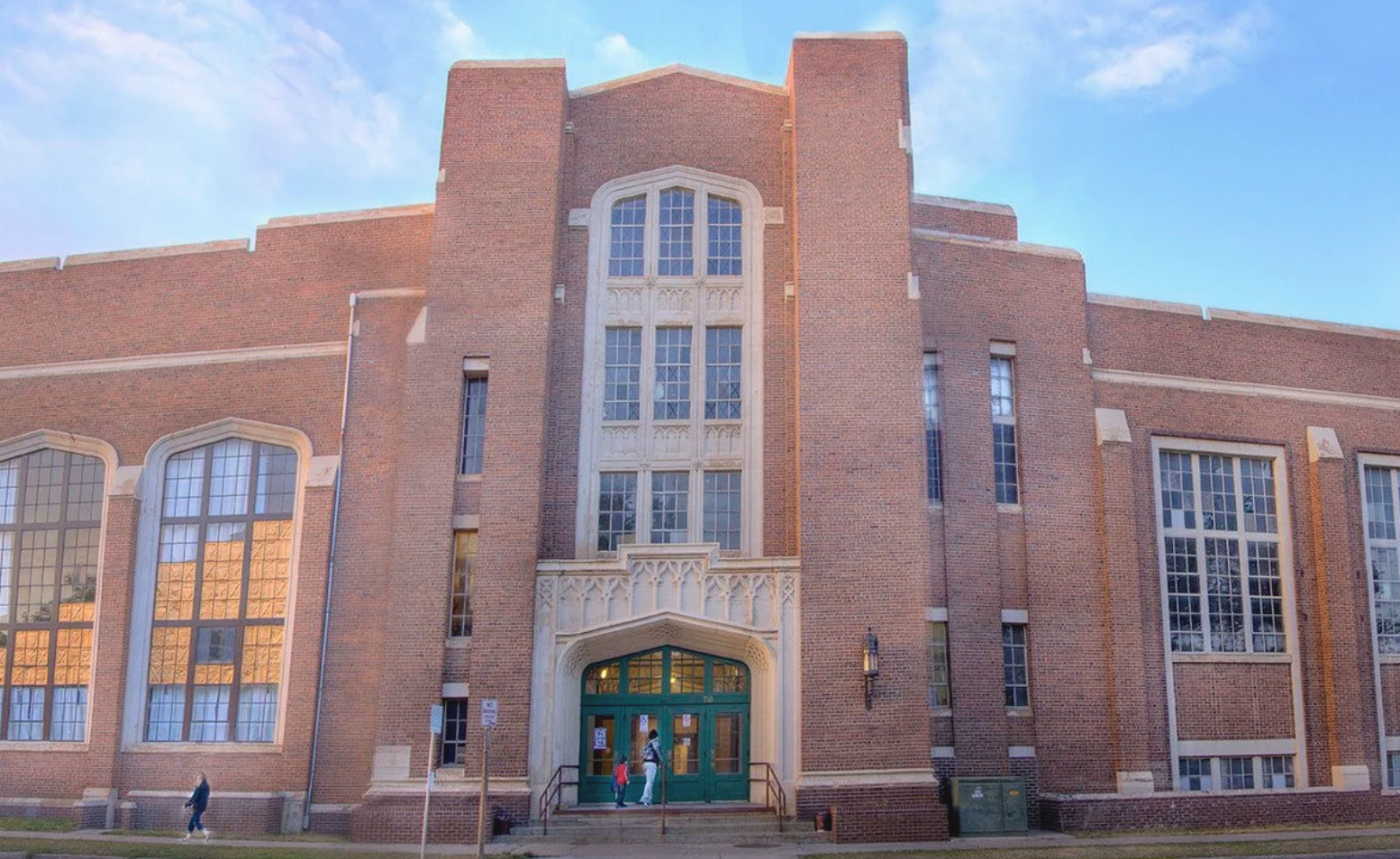
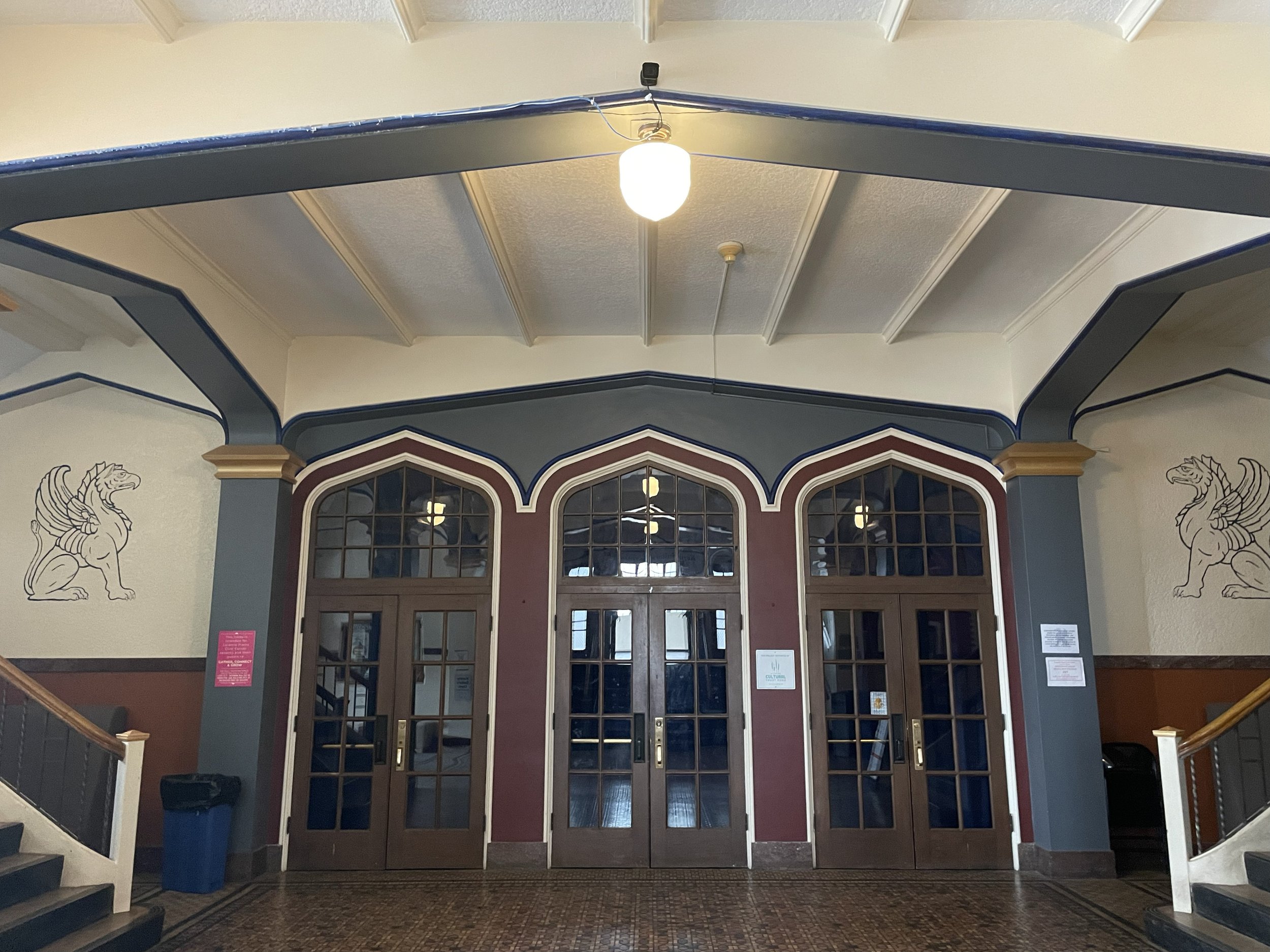
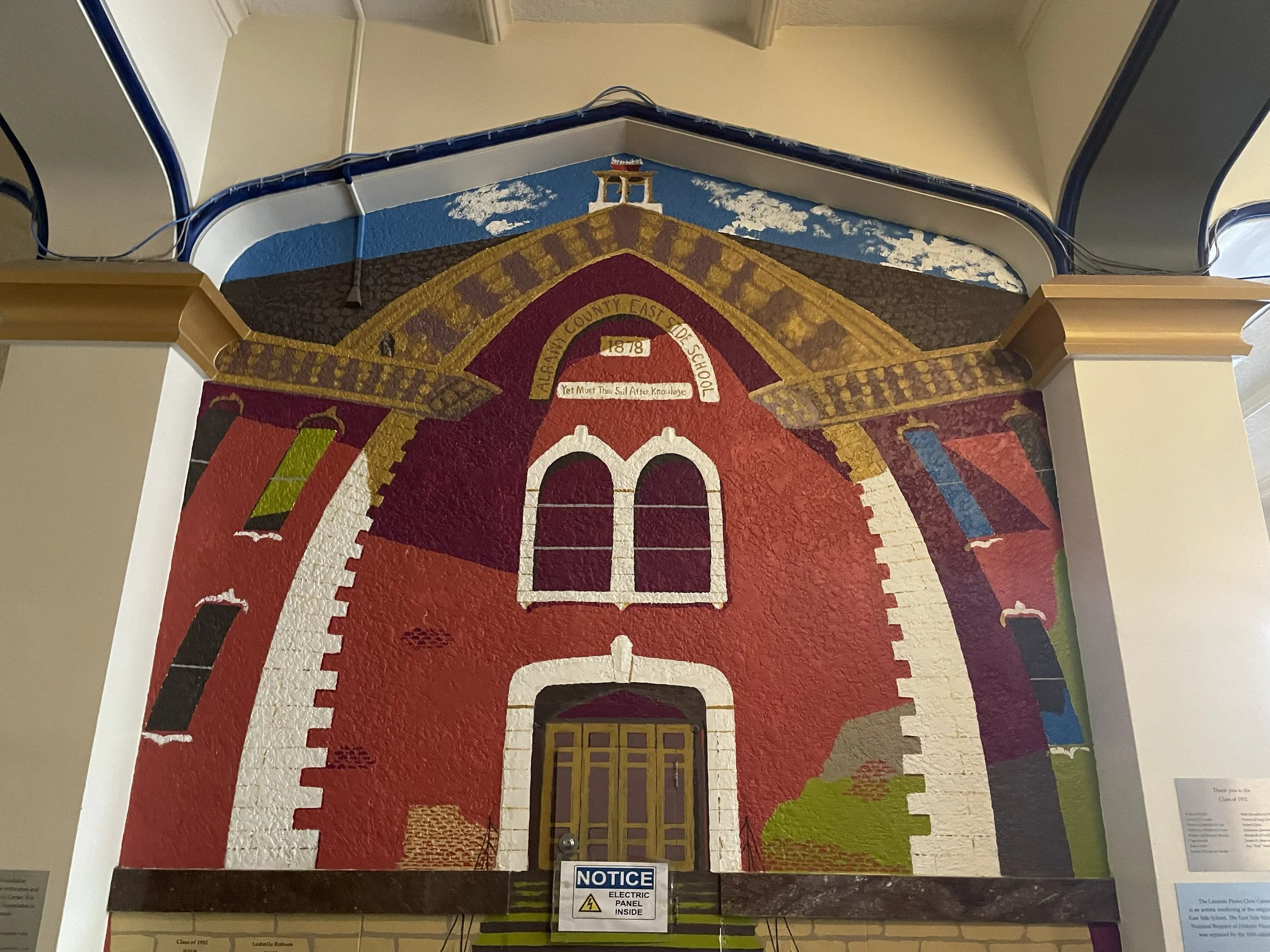
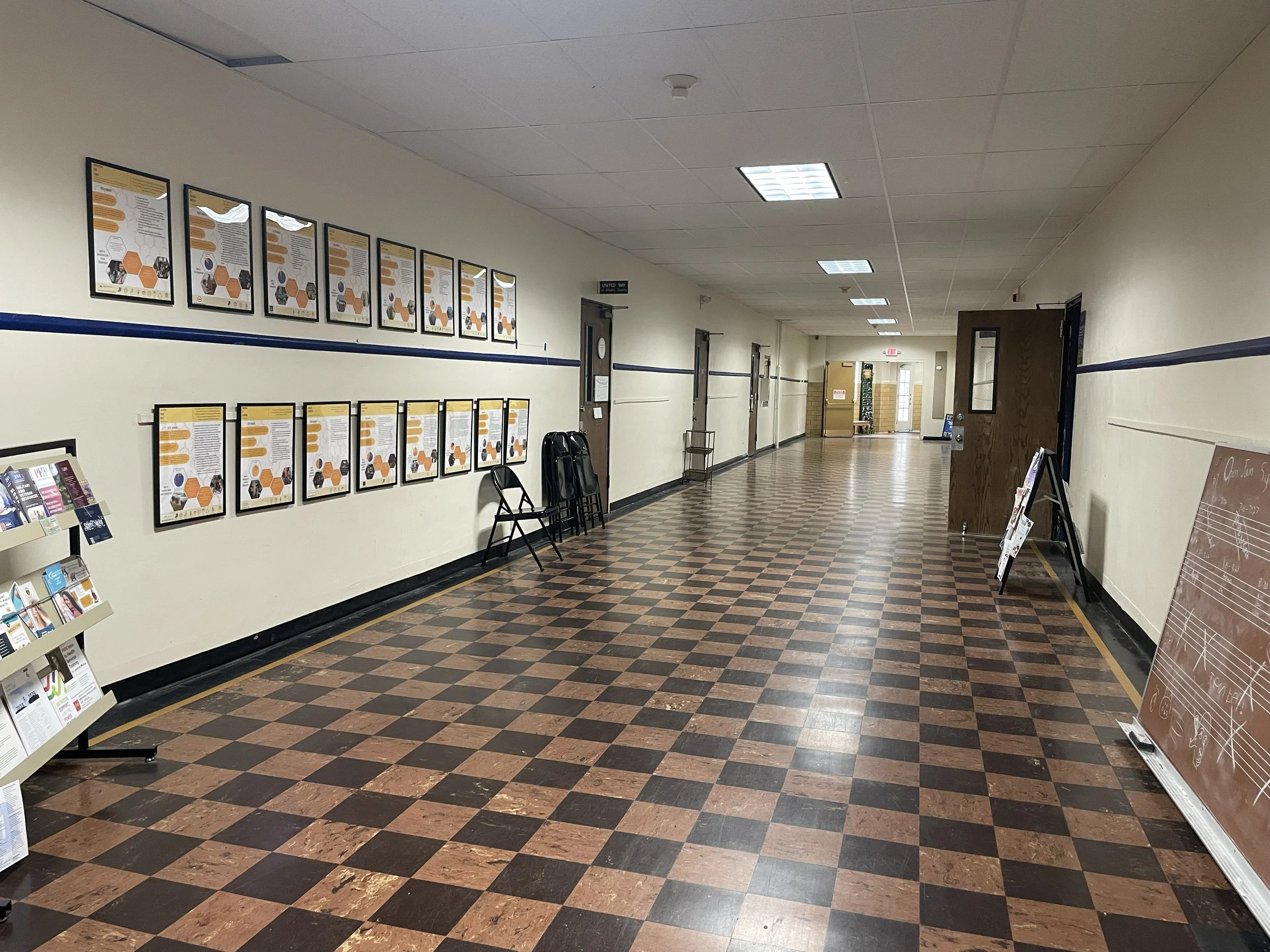
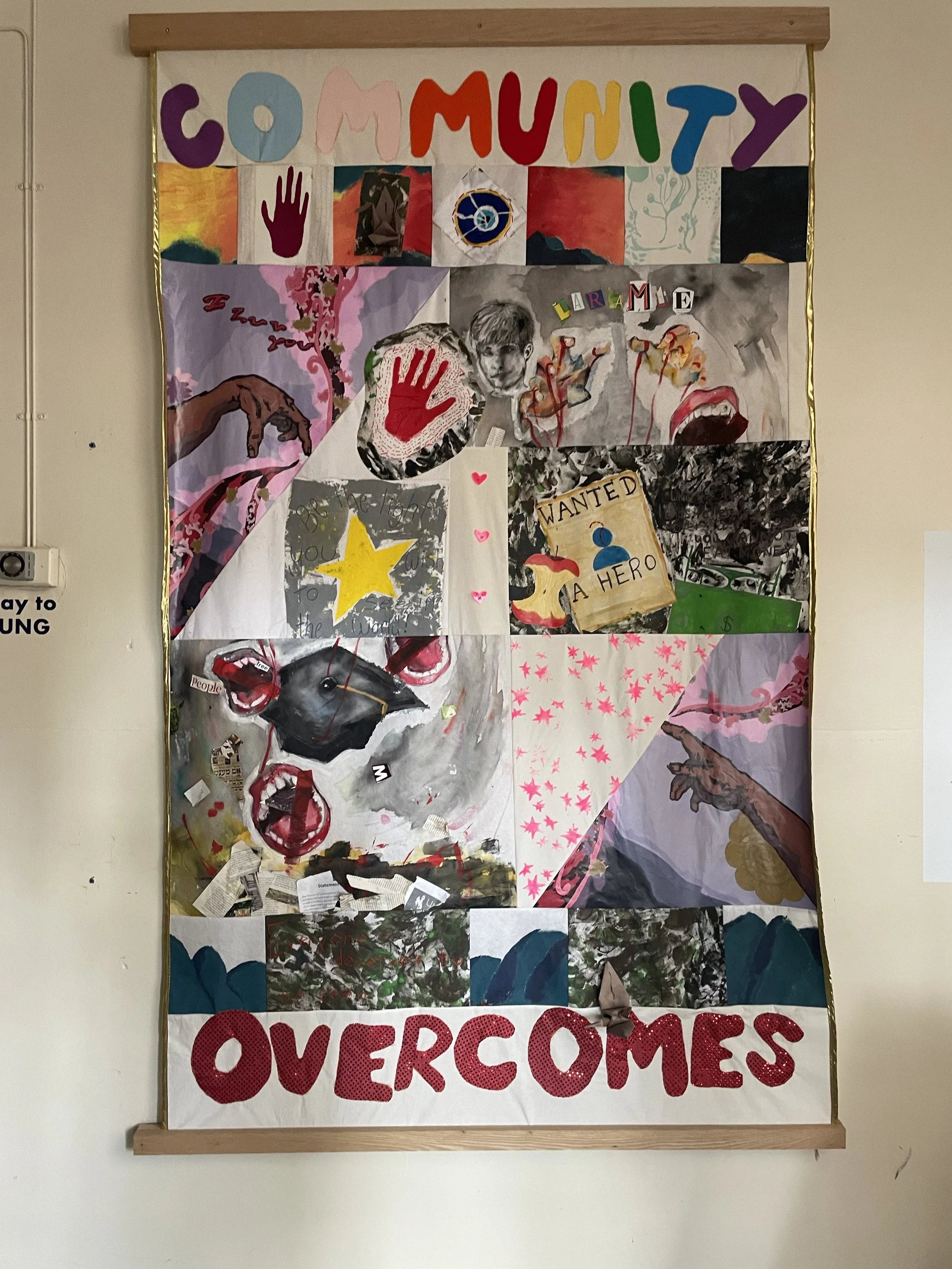
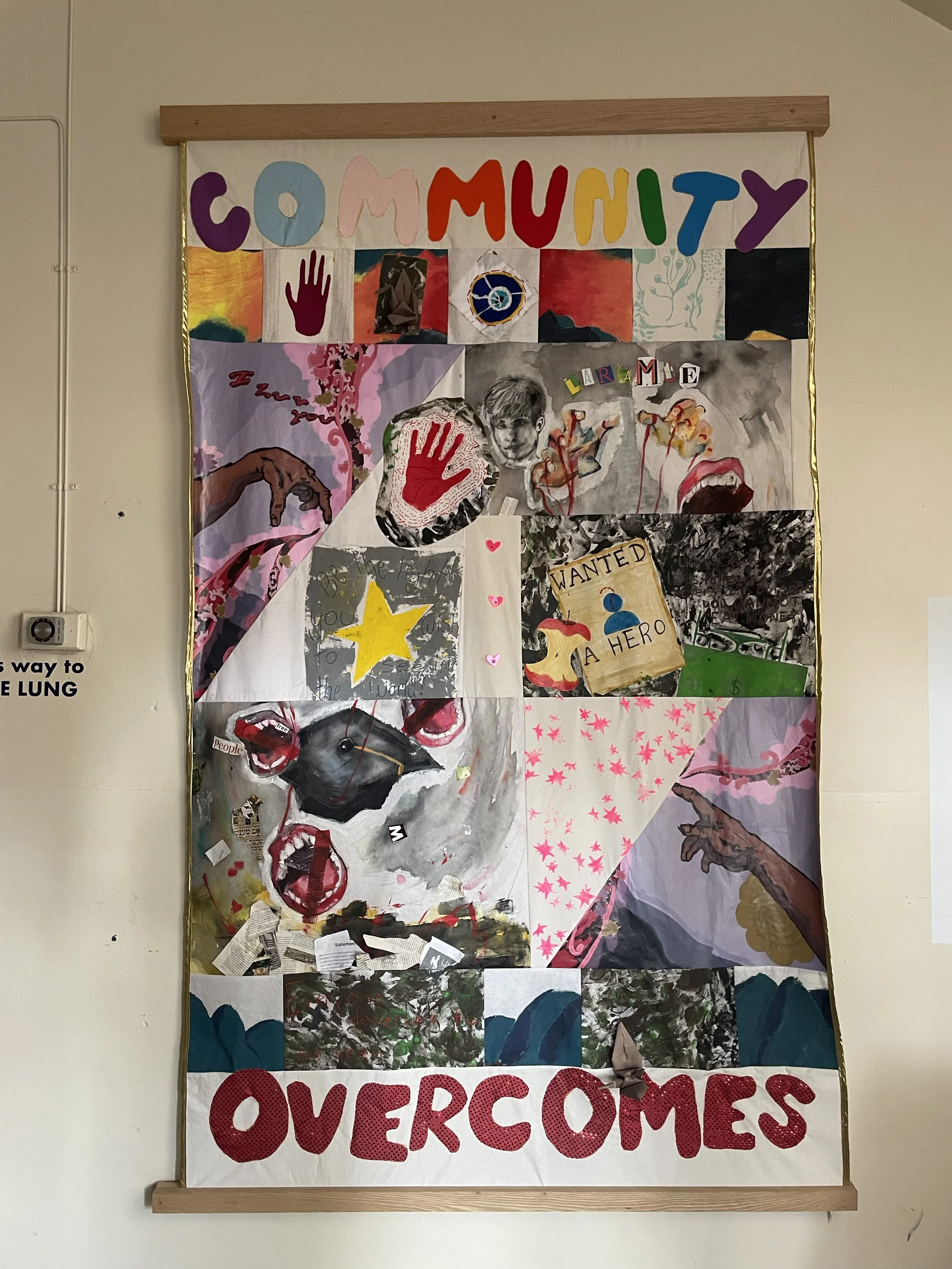
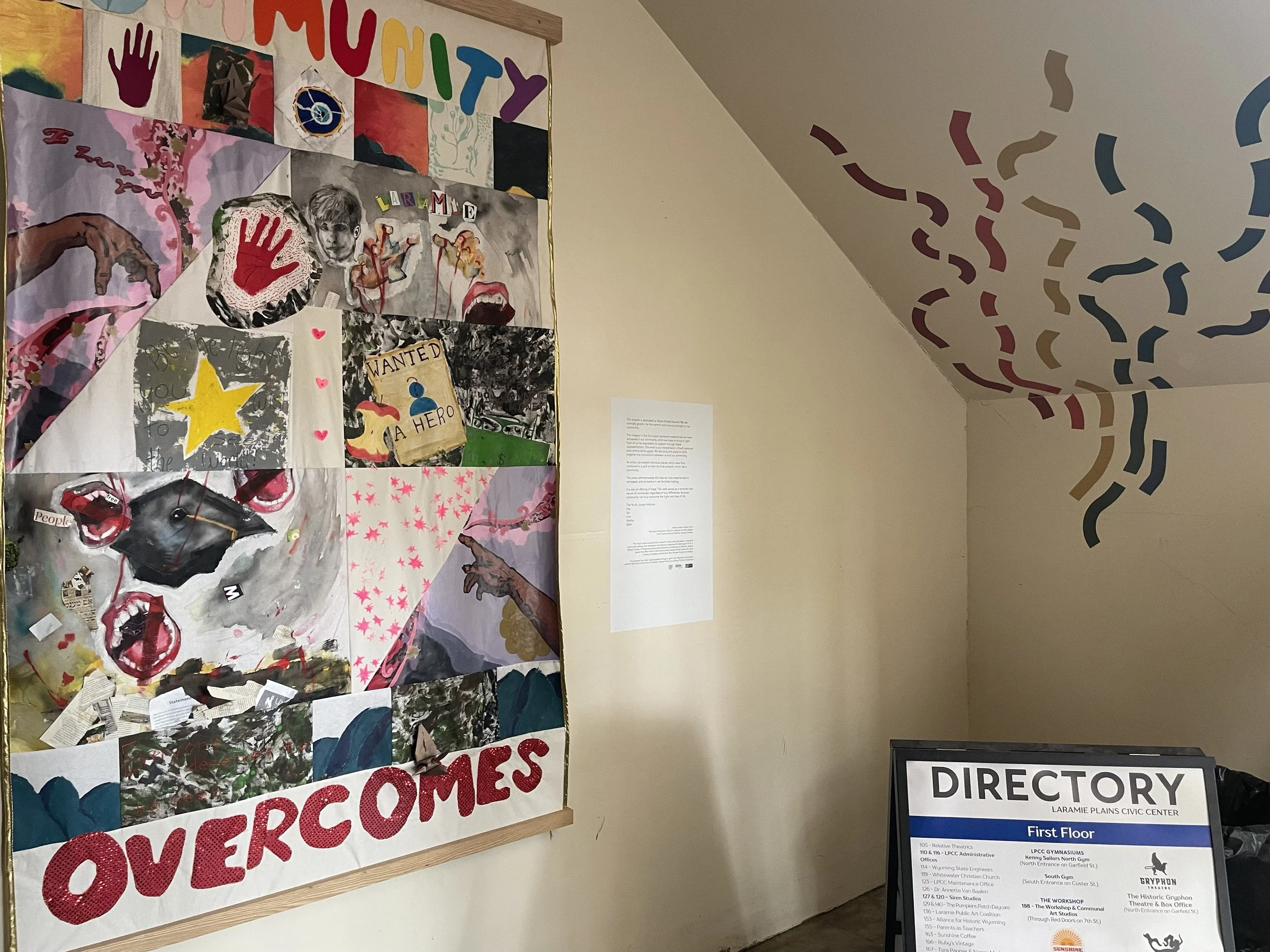
The Laramie Plains Civic Center is exactly the kind of place Re-Storying the West believes in: a building that has held this community's life for nearly 150 years and holds it still. Housed in the old East Side School — built in 1878 as the first purpose-built schoolhouse in the Wyoming Territory — the LPCC has become a home for artists, performers, makers, and gatherings of every kind. We partner with the Civic Center and its historic spaces across a range of events, from community gatherings like Circle Up to the Wyoming Fringe Festival, where we're proud to help bring performance to Laramie's stages
-
The Laramie Plains Civic Center occupies an entire city block in the heart of Laramie, in a building that began as the East Side School in 1878 — the oldest purpose-built school in the state and one of the first stone structures in the Wyoming Territory. Expanded in 1928 and again in 1939, it served generations of students before closing as a school in the late 1970s and reopening as a community center in 1982. Listed on the National Register of Historic Places since 1981, the building today houses dozens of artists, nonprofits, and small businesses, alongside studios, galleries, and gathering spaces. Its historic auditorium — now the Gryphon Theatre, still hung with Florence Ware's four nineteen-foot murals of Wyoming history — remains a working stage for music, theatre, and film. It is, in the truest sense, story as infrastructure: a place that has spent a century and a half holding the community's learning, creativity, and memory under one roof.
-
Re-Storying the West partners with the Laramie Plains Civic Center across a range of programming, workshops, and community gatherings to the building's role as a hub for performance and public life. For the 2026 Wyoming Fringe Festival (August 21–23, 2026), we are proud to serve as a financial sponsor of the performance What Was Ours, Who She Is — and we are thrilled to bring this work to our community.
Rooted in the award-winning documentaries of Northern Arapaho filmmaker Jordan Dresser, the performance braids together two stories from Wyoming's Wind River Indian Reservation. What Was Ours follows a Shoshone elder, a powwow princess, and an Arapaho journalist as they travel to a Chicago museum to reclaim sacred artifacts — a journey into repatriation, ancestral reclamation, and tribal sovereignty over a people's own history. Who She Is turns to the crisis of Missing and Murdered Indigenous Women and People, honoring through intimate, first-person narrative the lives and legacies behind the statistics. Directed by Cecilia Aragón and adapted by Dresser with additional writing by Sophie Barksdale, the piece features Eastern Shoshone/Northern Arapaho artist Sarah Ortegon and is exactly the kind of work we exist to support: story as reclamation, as witness, as a way of carrying a community forward.
ALCES community Works

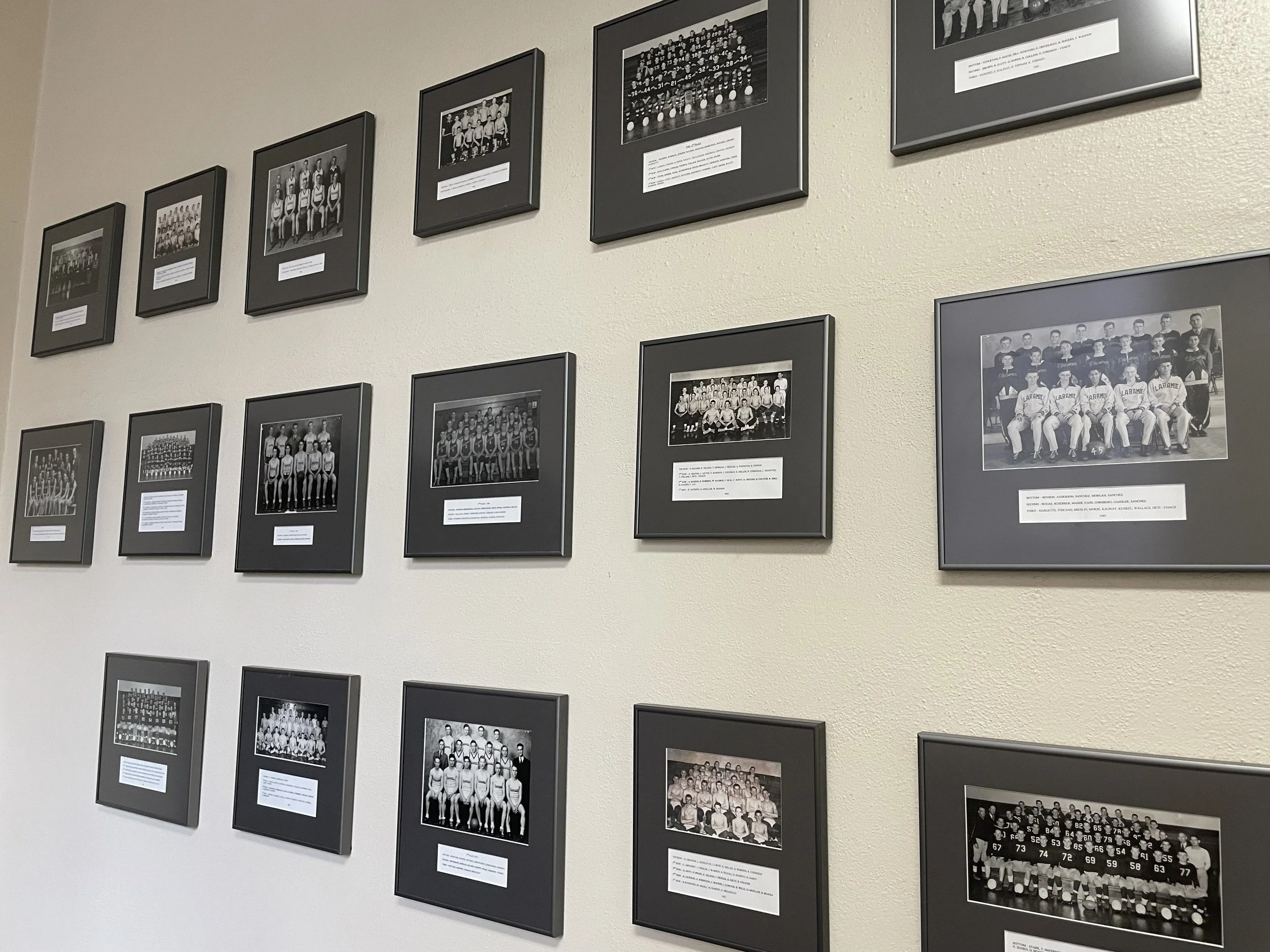
ALCES Community Works is a Laramie-based public art and history nonprofit that builds community memory through socially engaged art along Wyoming's I-80 corridor. Rooted in labor history, place, and the conviction that the stories communities carry deserve to be made visible, ALCES brings artists and makers into the work of telling Wyoming's story. For Re-Storying the West, that partnership is a creative engine — connecting our projects to the local artists whose hands shape how these stories look, print, and circulate.
-
ALCES Community Works is a nonprofit dedicated to public art, oral history, and community memory across Wyoming. Through participatory, place-based projects, ALCES works alongside communities to gather, honor, and pass on the histories that define the region — from labor and land to the everyday lives that rarely make it into the official record. Its practice treats art as infrastructure for belonging: a way of making space for the voices at the heart of Wyoming's story, and of ensuring those voices are not only heard but seen, printed, and kept.
-
Re-Storying the West and ALCES Community Works partner on events and shared programming, and ALCES helps bring artists into the Re-Storying sphere — commissioning local artists for design work, printmaking, and photography. Through these collaborations, the look and feel of our projects stays rooted in Wyoming hands: the posters, prints, and images that carry our stories into the world are made by the very communities those stories belong to.
Lincoln Community Center
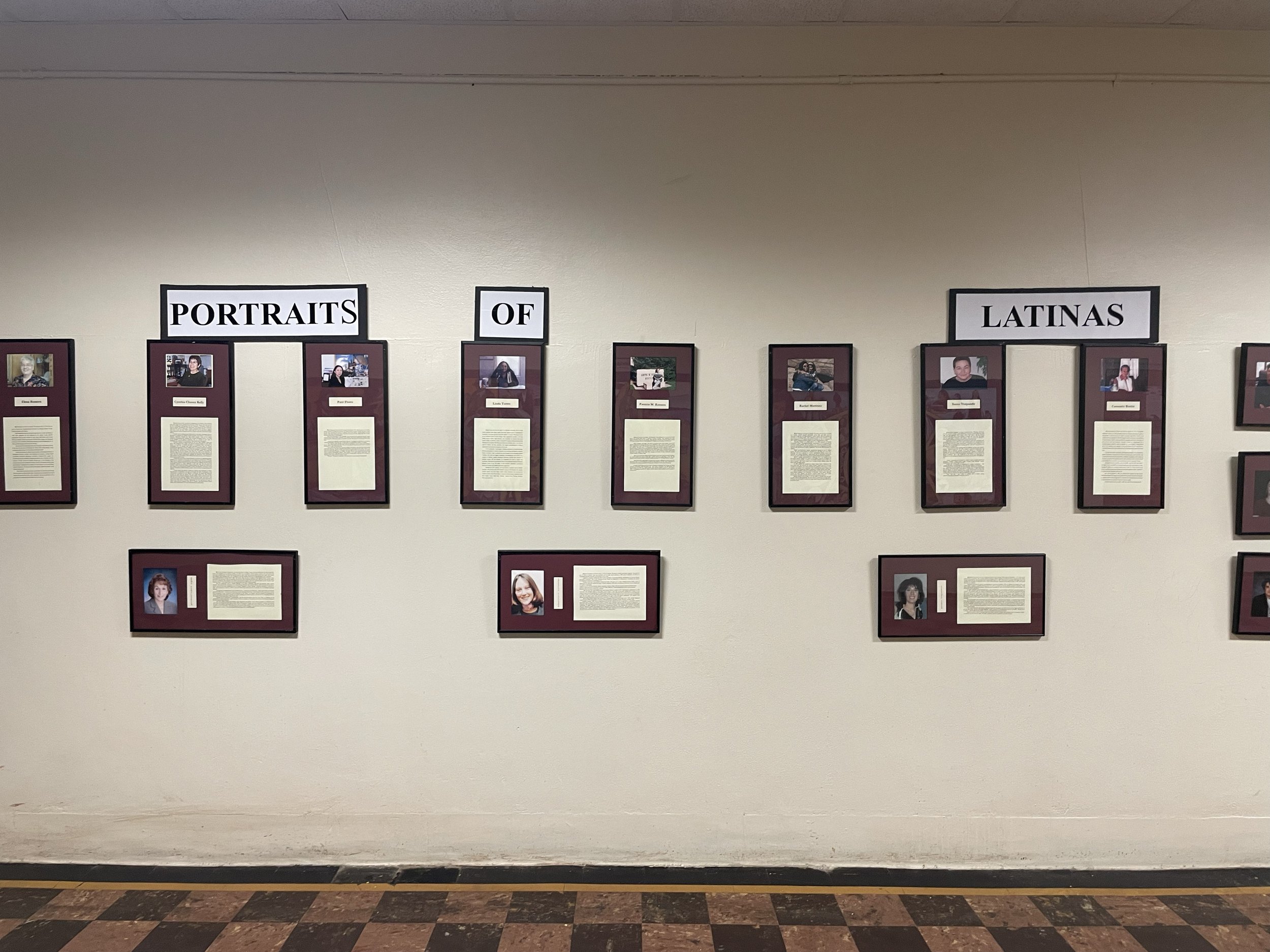
The Lincoln Community Center sits at the heart of Laramie's West Side — the oldest neighborhood in the city, and one whose story is inseparable from the histories of immigration and labor that built it. Housed in a historic schoolhouse on the National Register, the center remains a gathering place for the community it has always served. Re-Storying the West partners with the Lincoln Community Center in this historic and valued space, where the work of listening to a neighborhood's stories feels especially close to home.
-
The Lincoln Community Center occupies the former West Side School, built in 1924 to serve Laramie's west side — the working-class, largely immigrant neighborhood that grew up alongside the railroad. Expanded over the following decades and later listed on the National Register of Historic Places, the building has long been an anchor for the families who have called this part of Laramie home. In early 2026, the surrounding West Side Historic District was officially added to the National Register, recognizing the oldest neighborhood in Laramie for a history shaped by immigration, labor, and community life — a nomination notable as only the second in the country to be fully translated into Spanish, so the recognition would be accessible to the communities that built and sustain the neighborhood. Today the Lincoln Community Center carries that legacy forward as a living, working gathering place.
-
Re-Storying the West has partnered with the Lincoln Community Center across a range of programming rooted in the neighborhood's stories. We have hosted story-gathering workshops in the space, convened a community gathering and panel on immigration in Wyoming, and joined the center's Cinco de Mayo celebration, tabling alongside neighbors and families. We continue to partner with the Lincoln Community Center in its historic and valued community space — a place where the everyday life of a neighborhood is exactly the story worth gathering and honoring.
The Neltje Center
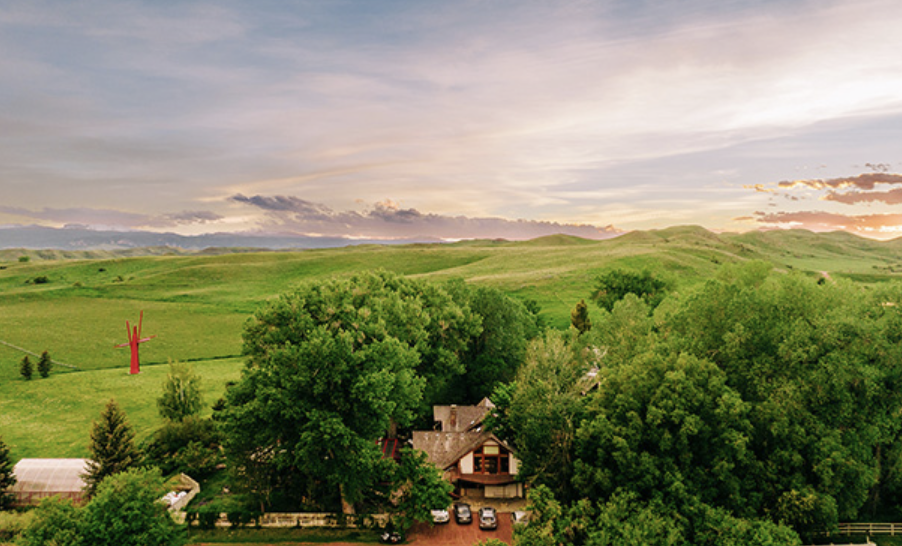
The Neltje Center is a place built for exactly the kind of deep, unhurried creative work that Re-Storying the West believes in. Set near the Bighorn Mountains just south of Sheridan, in the art-filled former home and studio of the late Wyoming artist Neltje, the Center gives artists and thinkers room to retreat, gather, and make. We turn to the Neltje Center as both a sanctuary for our own team and a stage for the artists we support — and, increasingly, as a community whose stories we want to help carry forward.
-
The Neltje Center for Excellence in Creativity and the Arts is a University of Wyoming initiative housed in the former home and studio of Neltje (1934–2021) — the abstract expressionist painter, rancher, and philanthropist who shaped so much of the arts landscape in northern Wyoming. In 2001 she founded the Jentel Artist Residency in the Piney Creek Valley, and upon her death she gifted her estate — home, studio, and more than a thousand works of art — to UW, establishing the center that now bears her name. Surrounded by the Bighorns and filled with Neltje's own work, the Center hosts residencies, workshops, performances, and gatherings, connecting artists to one another and to the creative economy of the state. It remains, in spirit, what Neltje always made of her home: a place of inspiration, exchange, and creative growth.
-
The Neltje Center is one of the places Re-Storying the West goes to do its deepest work. Our team gathers there for retreats, and artists we support take its spaces as a stage. One such production, Robbie's House, became the subject of an episode of our podcast — Season 1, Episode 8: Robbie's House at the Neltje Center — which takes listeners behind the scenes through rehearsal and conversation, following a company of talented, empathetic people as they explore what it means to bring someone's personal tragedy to life, and to transform pain into art. We are also proud to be funding public historian Brie Blasi — an adjunct lecturer in UW's Department of American Cultural Studies and Public History Educator at the American Heritage Center — to lead an oral history project centering the women of the Neltje Center sphere. Drawing on her background in curation, archives, and the multicultural history of the West, the project gathers the voices, labor, and lived experience of the women who have shaped this place and its legacy, ensuring those stories are recorded and kept. It is work that sits at the very center of what we do: making sure the people who sustain a community's creative life are remembered as part of its story.